
Do you want to start a vegetable garden but have literally no clue how? Do your eyes glaze over when you start to do your research, and it gets too complicated? What are zones? How do you prep your soil? What should you plant? How do you keep it from dying?
If these are the kinds of questions you’ve been asking yourself, you’ve come to the right place! In this post, I give you a plan for creating your own garden with a good chance of success, in simple language.
And if you need some extra help with planning out your garden, deciding what to plant, or figuring out where to buy seeds, make sure you read the first two posts in this series and my guide to seed buying:
- How to Plan Your Garden Without Getting Overwhelmed
- How to Decide What are the Best Vegetables for Your Garden
- The Best Online Companies to Buy Seeds From
Alright, let’s start gardening!
This post contains affiliate links, which means that if you purchase something, I earn a small commission at no extra cost to you. You can read more about it in my privacy policy. Thanks for supporting Shifting Roots!
A note before you start reading
This blog post was originally published in 2018, and I gardened very differently then than I do now in 2026. Still, I’ve kept some of the original information because not everyone gardens the same way. I hope you’ll see this more as a choose-your-own-adventure based on your priorities and beliefs.
I personally don’t use Roundup, and I don’t spray with chemicals except for two very specific situations: Roundup on bellflowers and chemicals on thrips off-site. I accept that quack grass is the overlord of my garden, and, though I do my best to pull it out, it comes back every year. I accept it, cover it in mulch, pull what grows, and rinse and repeat. Each year, it’s slightly better.
The Steps To Starting Your Vegetable Garden
1. What is your growing zone?
The very first step is to look up the plant hardiness zone for your area. I live just outside of Saskatoon, Saskatchewan, which is in Zone 3B. The good news for you is that unless you live in the Arctic or the desert, you’ll be able to follow my garden plan and have success.
2. Do you want to seed start?
Next, you’ll need to decide whether to start any of your seeds indoors in advance or purchase all your plants from a store. If you’re already overwhelmed, I recommend just buying your plants from a store the week before you plan to plant your garden.
If you want to start some seeds, I’ve got a guide to doing it without a grow light here. If you don’t have a south-facing window, this will not be an option for you. In that case, you must have a grow light to ensure success.
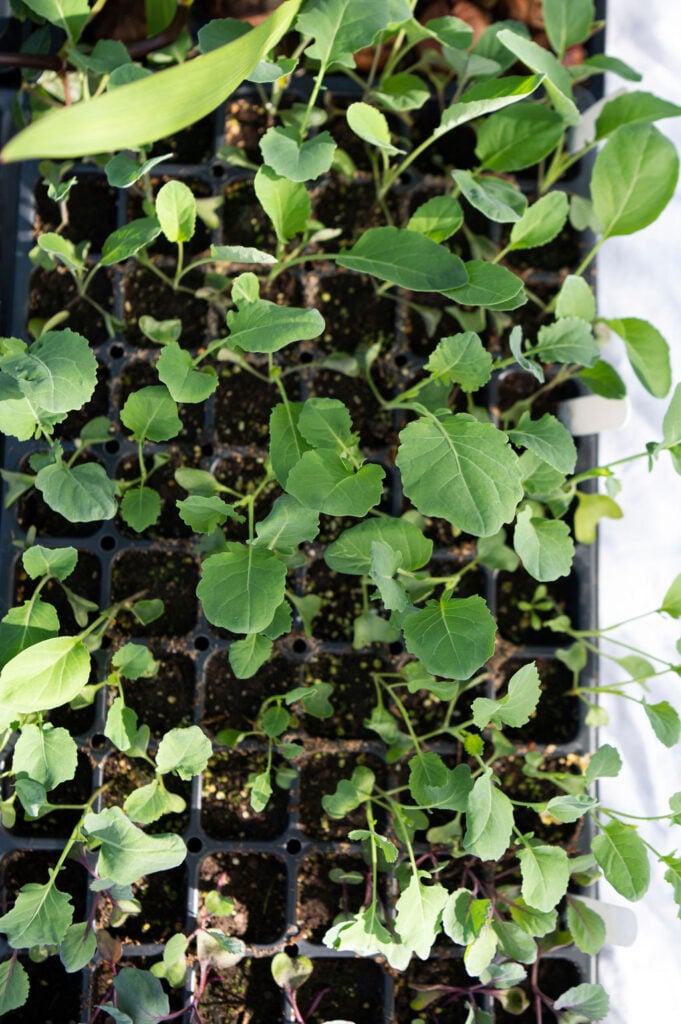
For your first year of seed starting, I recommend sticking with easy-to-start vegetables, like tomatoes, cucumbers, and any squash or pumpkin.
Check your seed packet to see how early to start these seeds before the last frost date in your area. You can find a guide for last frost dates and when to plant here. I also go in depth on which vegetables to start when in my Growing Roots Gardening Guide.
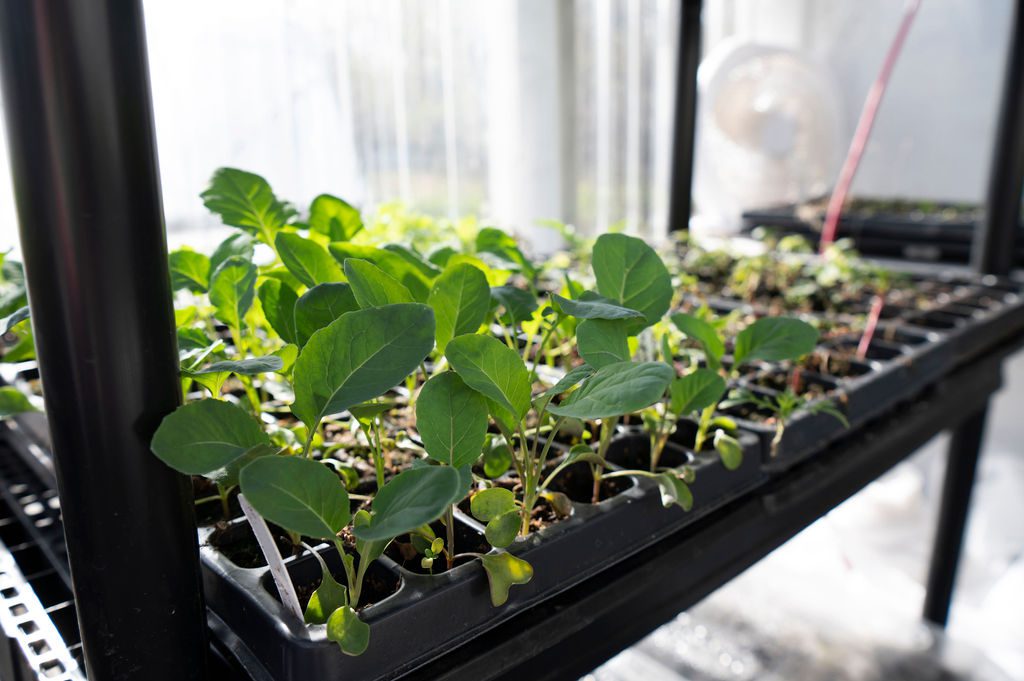
Related: How to Seed Start
3. What preparations does your soil need?
The next step is to assess your soil situation.
Are you planting in an already established garden space? Then all you’ll need to do is add a couple of bags of compost and manure and arrange to get it tilled.
Is your space really overgrown, or are you starting from scratch? If you are starting from scratch, you need to assess your light situation. Do not plant your garden near tall trees, as they will suck the moisture out of the soil and shade the garden. Sun-loving vegetables need at least 8 hours of sun a day. More is better.
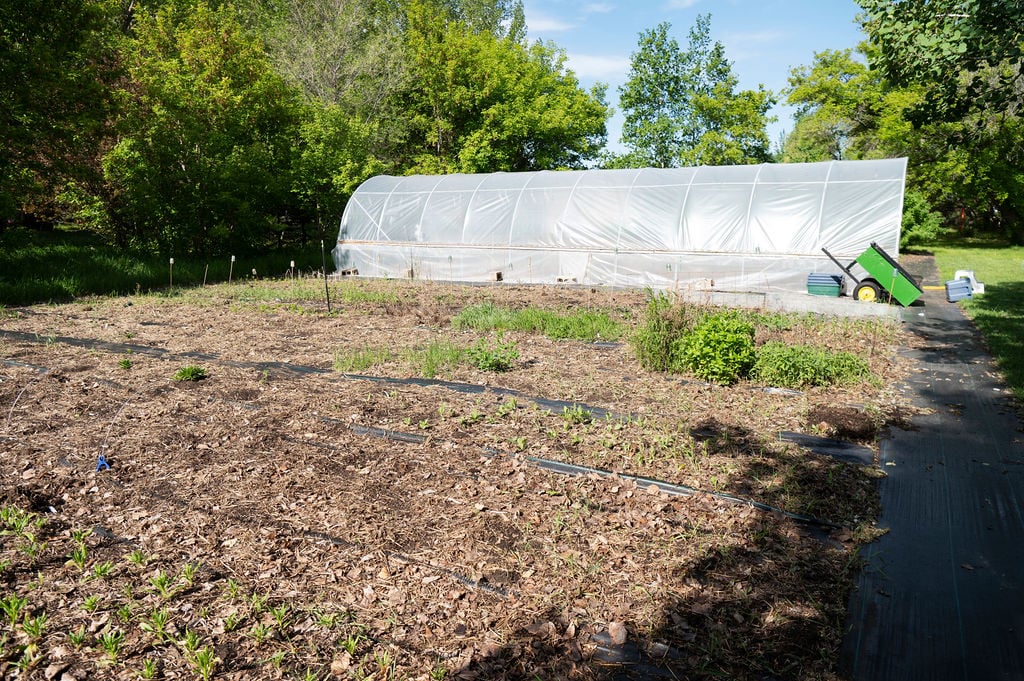
Once you’ve got that sorted out, hire someone to rototill the soil and remove all the clumps of grass or weeds. Wait a week, then apply Roundup or another weed killer to any weeds and grass that have sprung up. Wait until the weeds die and remove them. Add compost, manure and black earth to your soil, then hire someone to rototill again.
If you are not comfortable using chemicals, you can do the same process without the Roundup. You can put cardboard, landscaping cloth, or even a tarp over the soil to kill off the weeds. You can see my tarp set up for weed prevention in this video:
UPDATE (2025)
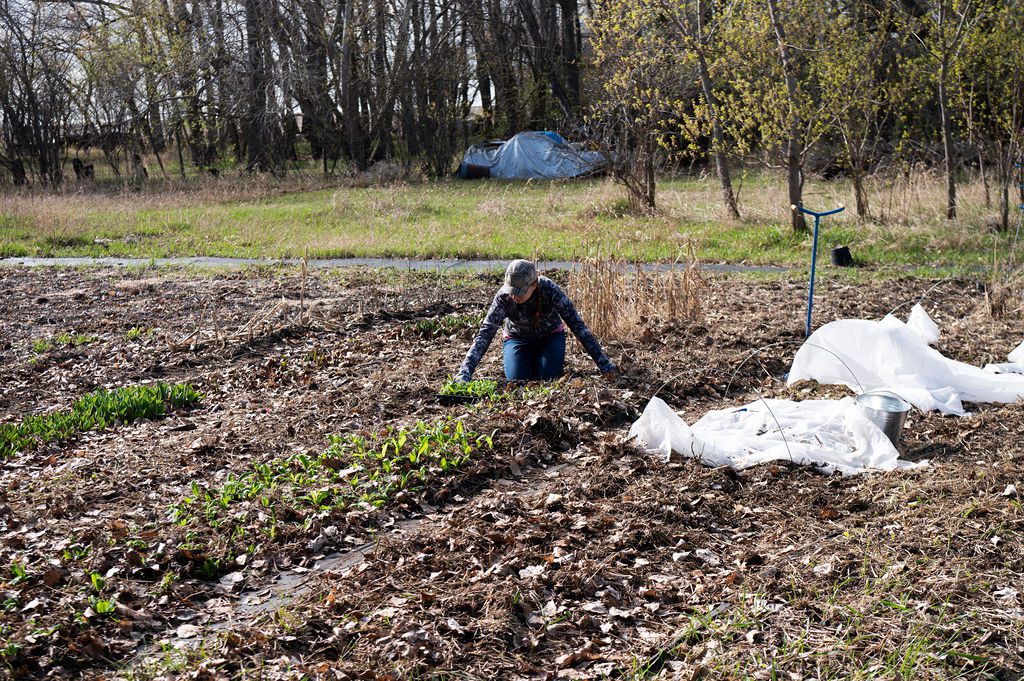
Since first writing this post in 2019, rototilling (the traditional soil preparation) has fallen out of fashion. Even though rototilling is less popular now, do what’s best for you and your soil. If you’re looking for an alternative to rototilling, here’s what I do to prep my soil now:
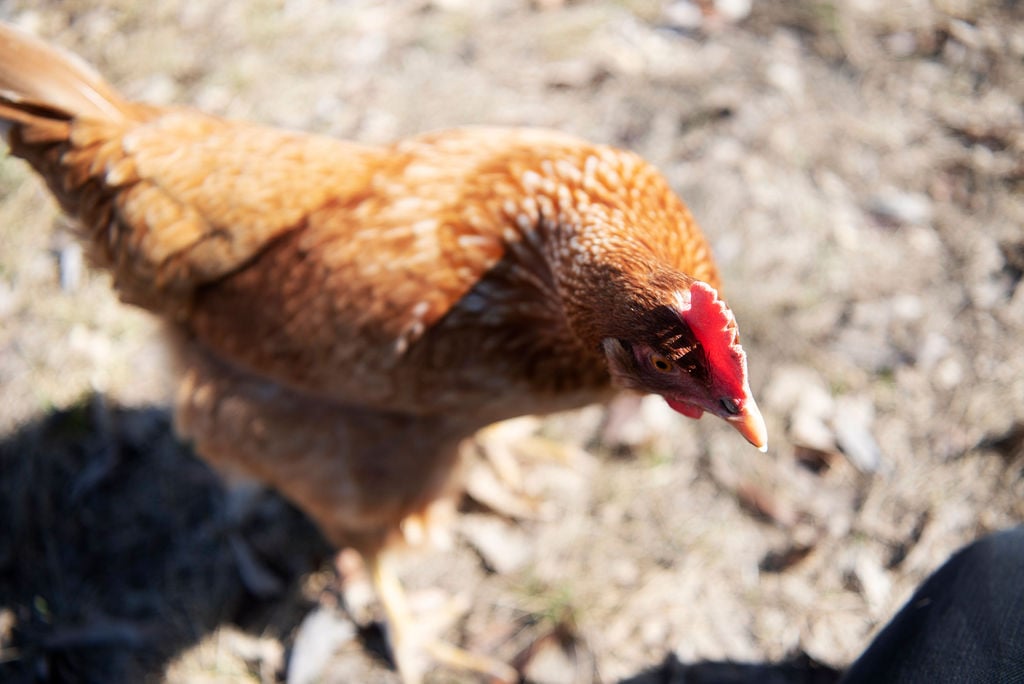
If it’s a brand-new gardening plot, ideally, the year before, I’ll get a tarp or cardboard (it just depends on how large the space is) and cover the area to suffocate any weeds I can. Then I take all of my chicken bedding and spread it over the area. This might not be ideal for everybody, but my sandy soil is low on nitrogen, and this is an ideal solution.
The following year, I treat it as a normal bed and continue adding amendments like leaves, compost, and manure as needed. I also mulch after my seedlings are tall enough, as this keeps out a good chunk of the weeds. Usually, the soil is pretty decent by year three.
Related: The Choose Your Own Adventure of Starting a Garden Plot From Scratch
Whether you choose to rototill or the no-till method will determine which steps you’ll need to take at this stage of preparing your garden. Whichever route you take, even though you’ve done all that prep work, be prepared for there to still be a lot of weeds and grass in your first year. It takes a couple of years of diligent weeding to get the weed population down. You can surround your plants with grass clippings, wood chips, or mulch to help.
There are also some interesting gardening methods designed to avoid weeds, such as lasagna gardening and square-foot gardening. I fell in love with square foot gardening in 2019. Here’s a bit more about my experience and some resources I’ve made to help get you started:
- 8 Reasons Why You Should Square Foot Garden
- Garden Review: My First Year Square Foot Gardening
- Real-Life Design Ideas for Your Small Space Garden
4. What plants do you want to grow?
There are so many vegetables to choose from! What you plant this year will largely be determined by your personal tastes and how much space you have. Here’s what I recommend for your first year:
Potatoes
Potatoes come in a large package of smaller potatoes, with white shoots growing from the eyes. If you have potatoes around the house that are old and growing white shoots out of the eyes, don’t throw them away! Cut them in half so that each half has at least one shoot. Dig as deep a hole as you can and put the potato in. You will have to hill your potatoes once or twice in the season.
Onions
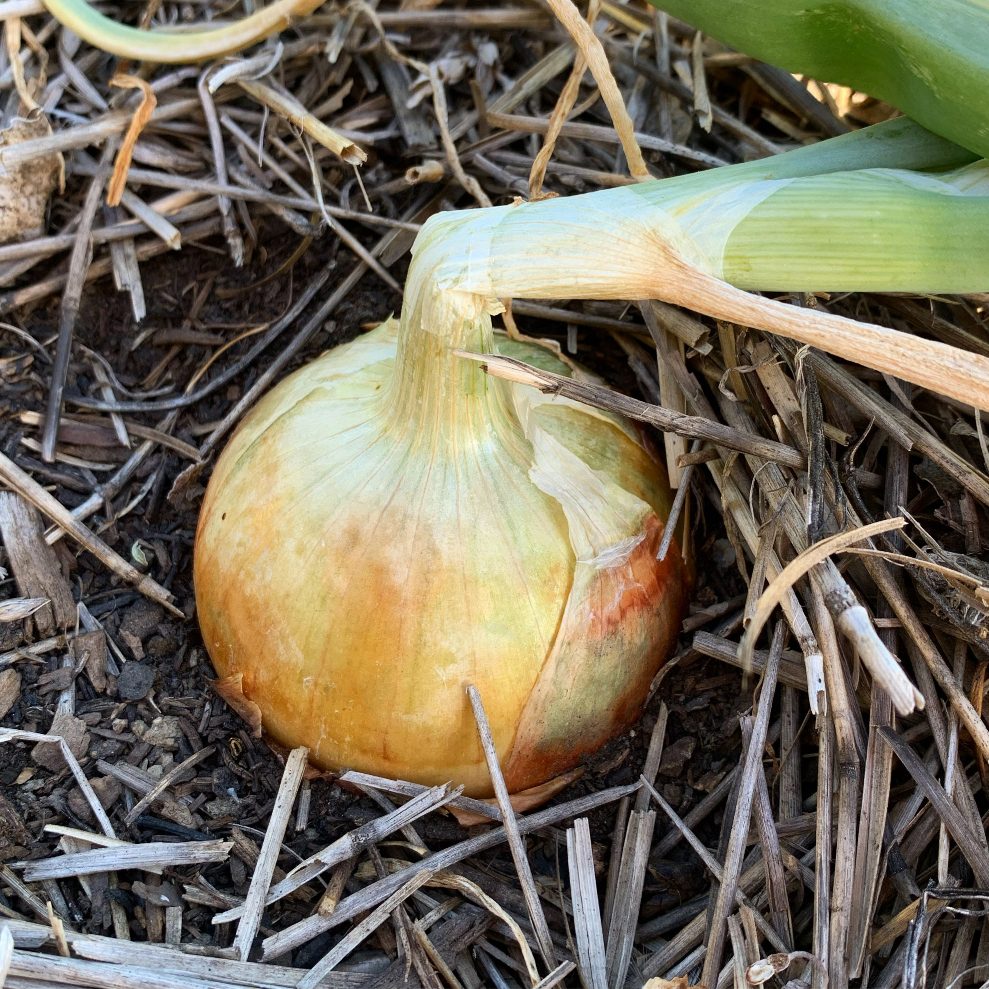
You can buy onions from seed packets, but I don’t recommend it for your first year of gardening unless you want green onions. If you want larger onions, buy the small bags of onion bulbs instead. Onions require zero maintenance, just a quick weeding every so often.
Related: How to Grow Onions from Seed So Big You Can Brag About Them
Carrots
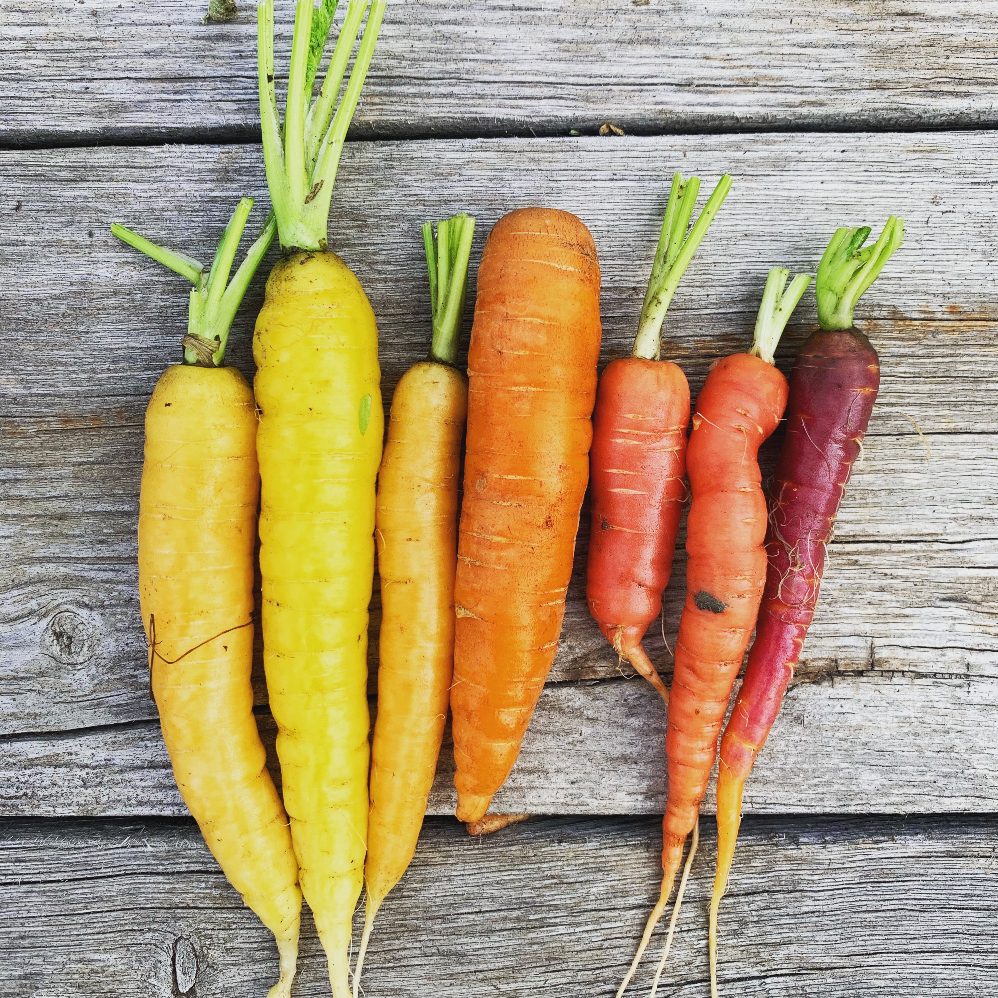
Carrots are easy to grow and fun to harvest. Thin them out (remove a few of the plants) a few weeks after you plant them for larger carrots in the fall. It’s best to leave your carrots in the ground for at least one frost, as they will be sweeter.
Peas & Beans
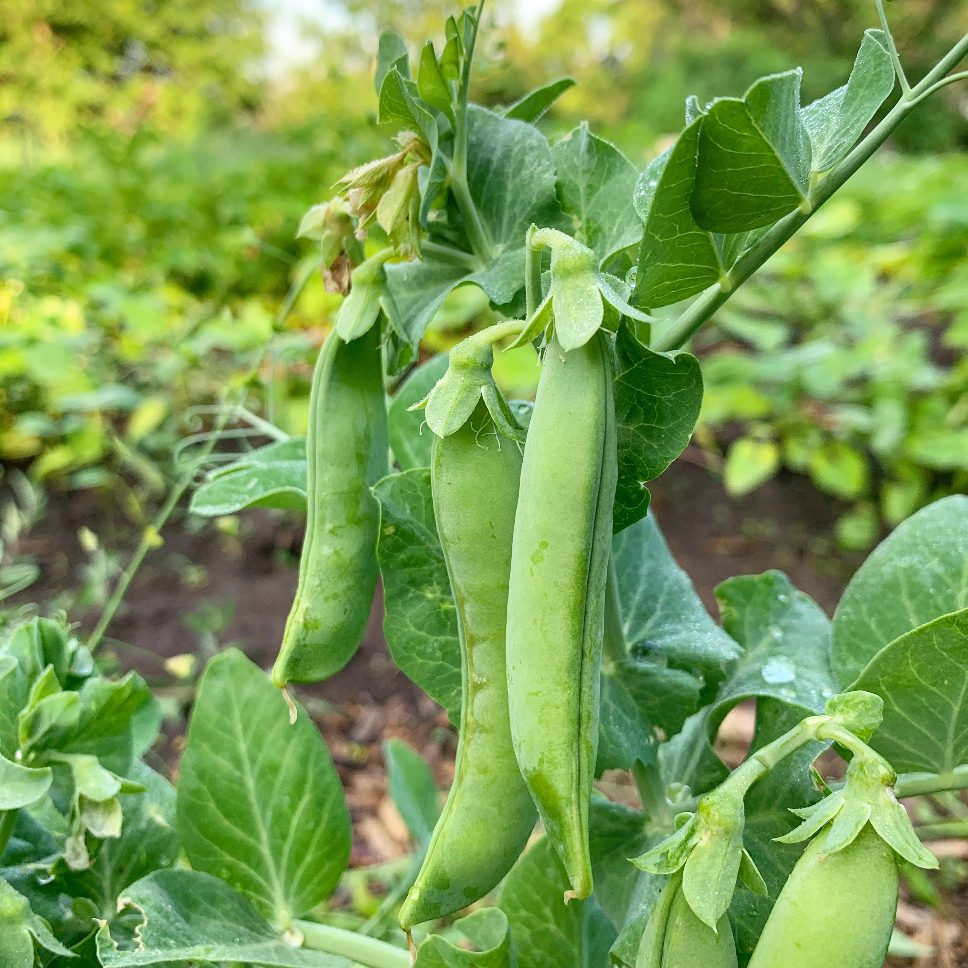
All peas and some beans require a trellis to grow. You can use chicken wire, buy a trellis, or even make one with garden stakes and three rows of twine. If you don’t want to bother with a trellis, plant a bush variety of beans.
Do not plant peas or beans if you will be away on a long vacation in the middle of July!! They will get too hard if left too long, and all of your work will be for nothing.
Swiss Chard
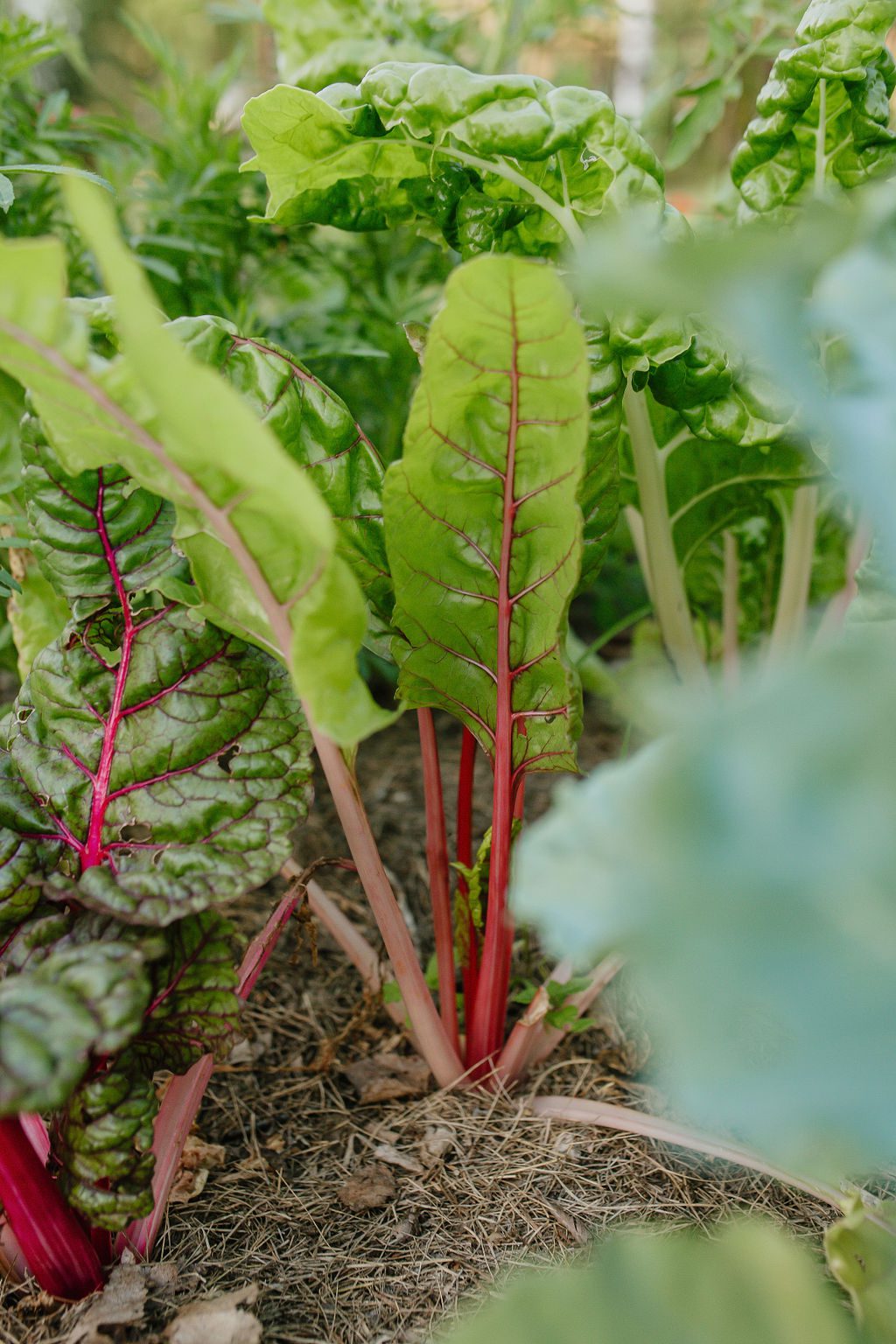
I LOVE Swiss chard. It wasn’t a vegetable I ate growing up, but it’s so much easier to grow than spinach and is pretty similar in nutrition and taste. Bonus, you don’t have to worry about bolting!!
Lettuce
Lettuce is easy to grow, and there are tons of varieties to experiment with. I’ve had the best success with Buttercrunch. It’s easy to grow, slower to bolt and has a texture I like. Plant three small sections of lettuce, spaced a week apart, so you’ll have fresh lettuce all summer. Once you cut the lettuce, it will grow back so you can eat it again. Just don’t let it go to seed!

Related: Take a Bite Out of Your Grocery Shopping Budget with these Lettuce Growing Strategies
Zucchini
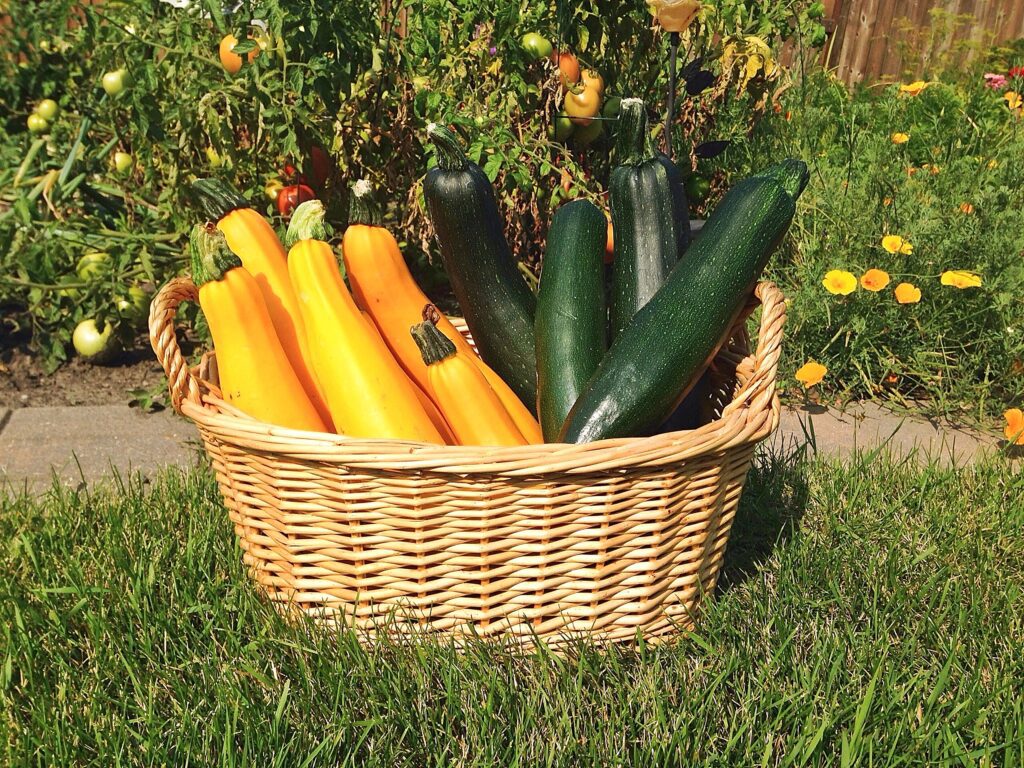
This plant is prolific, so only plant it if you like to eat it! I like to use it in bread, soups and tomato sauce, or wherever I need to sneakily add some nutrition. Do not ignore the direction on the seed packet to put three seeds in one spot. It seems weird, but the strongest plant will win out. Make sure to check your plant every three days once it starts producing. If you wait a week, you will have a baseball bat on your hands.
Corn
Corn requires a bit of space but is easy to grow. Plant two or three short rows versus one skinny row so the corn can pollinate. The rows should be 30 inches apart, and the plants thinned out to 12 inches. You won’t get a decent amount of corn if you skip this step. Wear gardening gloves when you’re planting, because all corn seed is treated.
Tomatoes
Tomatoes are the most labour-intensive plant in this beginner garden. However, the taste of a fresh tomato or homemade sauce is well worth the effort!
Whether you purchase plants or start them from seed earlier, you’ll need to harden them off (put them outside during the day and bring them in at night) for about a week before you plant them. This is why you need to buy your plants a week ahead of time. Do not place them in a super-hot location just yet, and shelter them from the wind.
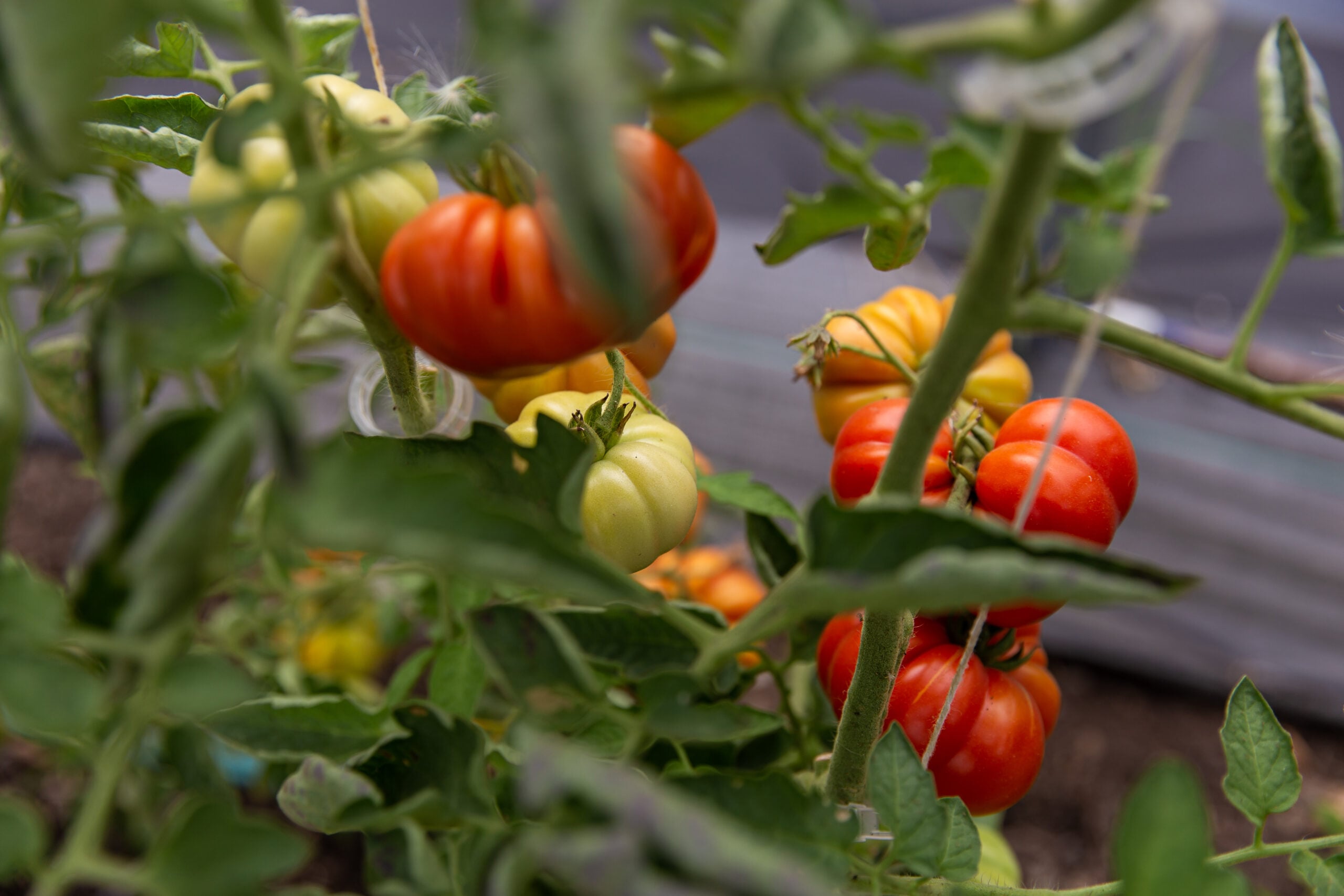
Each tomato will need a cage around it so the plant doesn’t touch the ground as it grows. If your tomatoes grow on the ground, they will likely rot. You might also want to put a coffee can around the base of your cage. This protects your plant from the wind when it’s small and supports it when it’s mature. For envy-inducing tomatoes, water once a week with compost tea or another vegetable fertilizer.
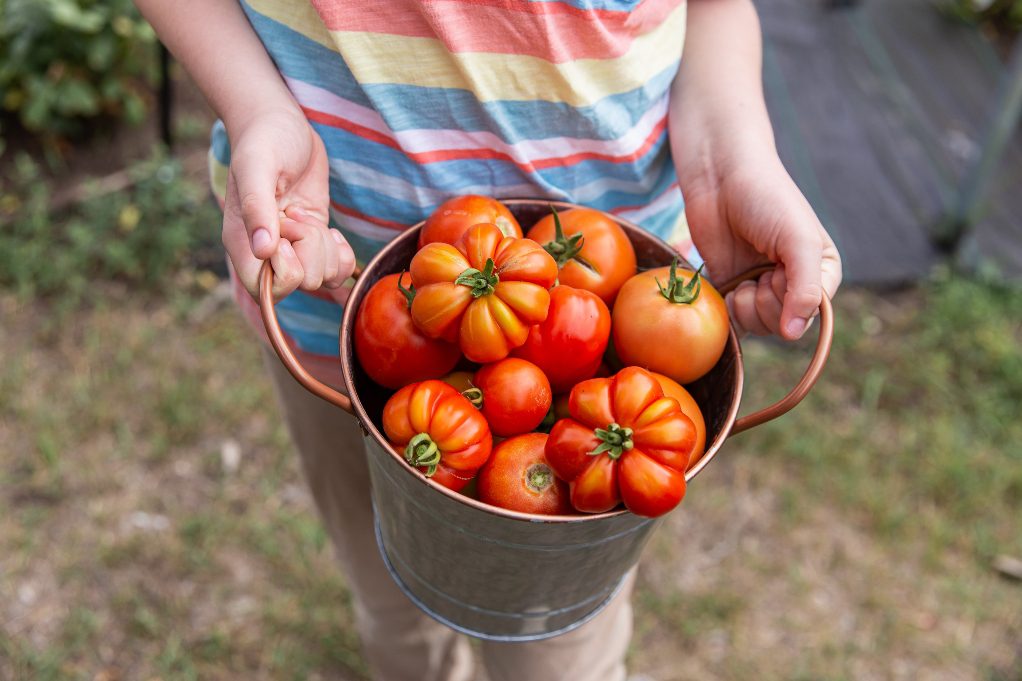
Finally, in Saskatchewan, you must pick your tomatoes before the first frost. This means that you will be picking most of your tomatoes green. Do not leave them out during a frost, or your whole crop will be ruined.
If you don’t like tomatoes or don’t think you’ll want to make any sauce, you might want to skip them in your first year. Check out these blog posts for more on successfully growing tomatoes:
- How to Pick the Best Tomato Varieties for Your Garden
- To Prune or Not to Prune (Your Tomatoes is the Question)
- The Foolproof Way to Grow the Best Tomatoes–Even if You’re a Beginner Gardener
Plants I Don’t Recommend for Your First Year of Vegetable Gardening
Peppers
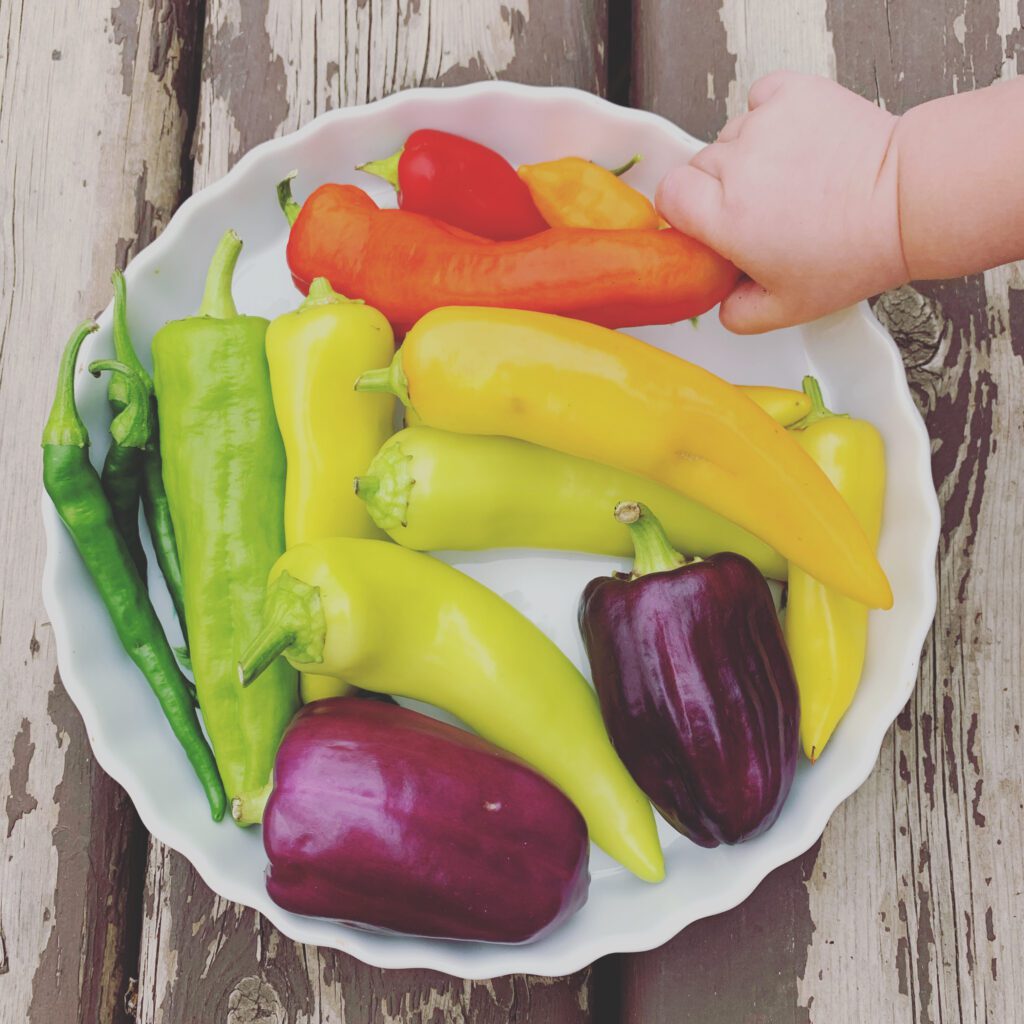
I’ve never had great success with growing peppers and find that they die easily. Your first garden is all about building confidence! If you must have peppers, here are my best picks for beginners.
(EDIT: Since first writing this post in 2019, I have had several successful successions of peppers. That being said, while I now know how to grow great peppers, I still don’t recommend them for beginner gardeners. They require a lot of steps and early seed starting, so they are better suited for more experienced gardeners.)
Related: 5 Secrets to Growing Better Peppers from Seed
Cabbage
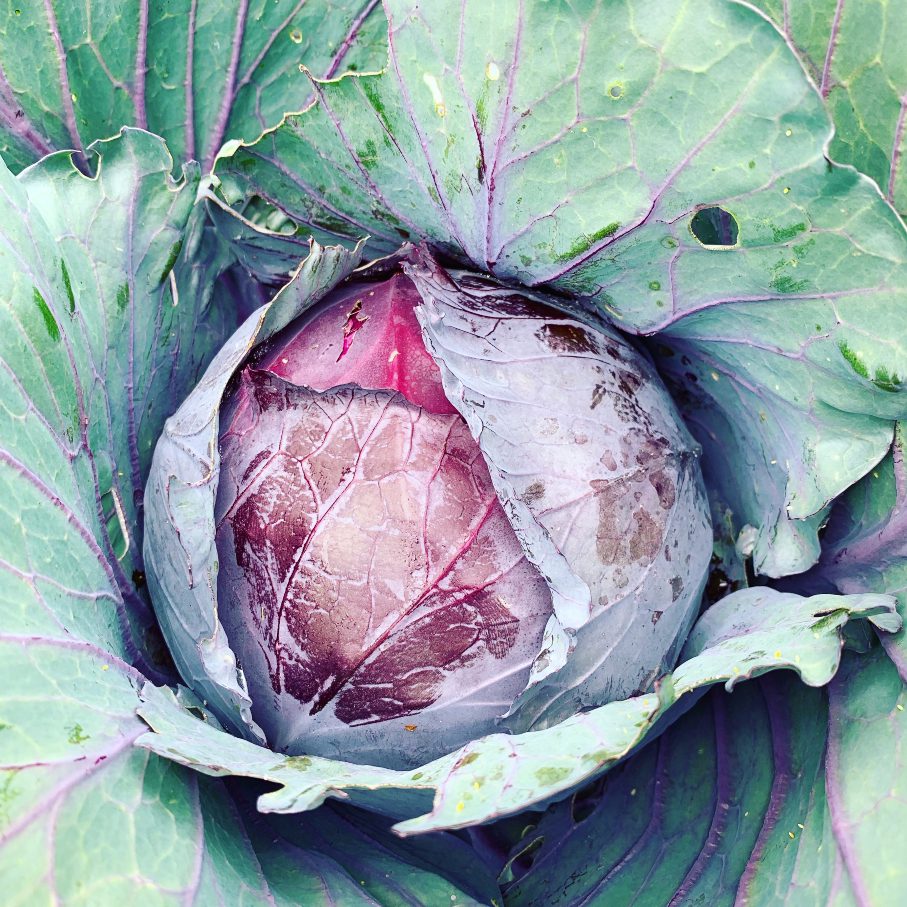
Cabbage tends to split if it doesn’t get consistent water. A beginner gardener is more likely to be lax about watering. Also, cabbage can attract many bugs that beginner gardeners may not want to deal with. This is especially relevant for prairie gardeners.
Spinach
I’ve never had much luck growing it, and whatever manages to come up seems to bolt in about two seconds.

Pumpkins & Squash
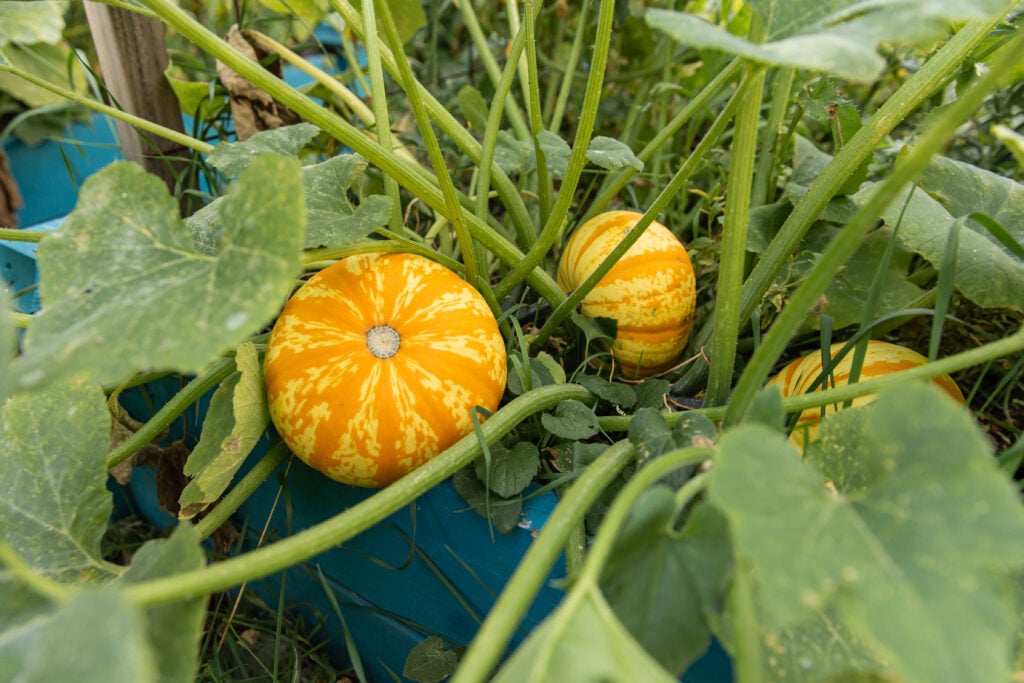
Both pumpkins and squash are very easy to grow, but I’m assuming that you probably don’t have a lot of space in your first year of gardening. If you do have space, however, definitely give them a try. Word to the wise: one spaghetti squash plant can produce 20 squashes.
Related: How to Grow Pumpkins in a Short Growing Season
Radishes
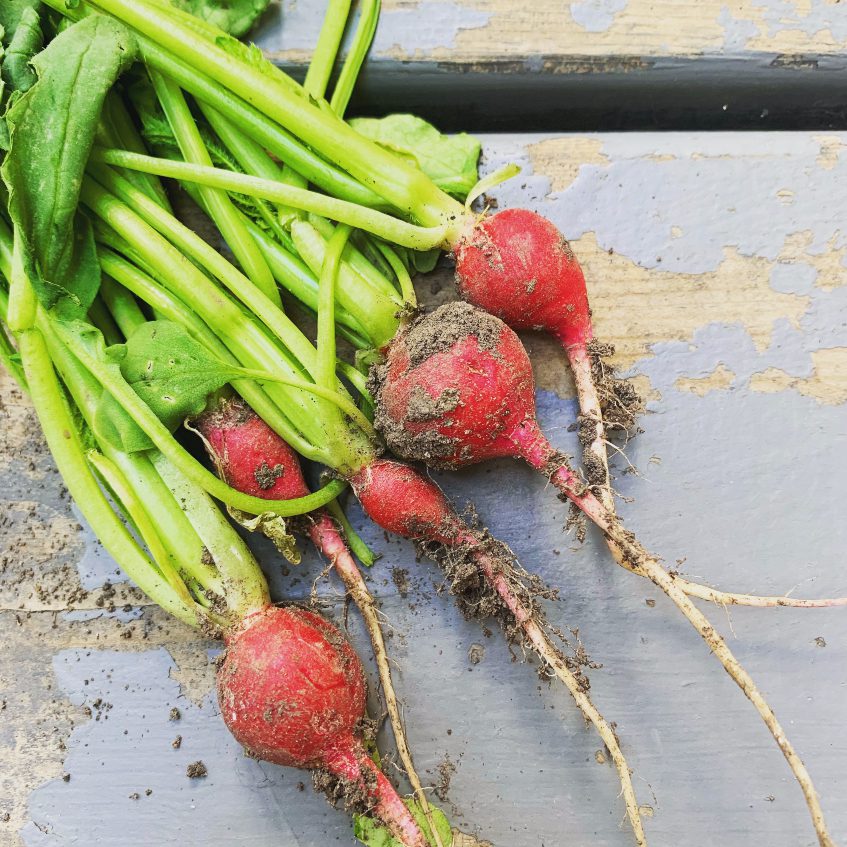
Radishes bolt quickly and turn woody quickly. You need to check your garden every day to pick them when they’re ripe.
In all my years of gardening, I have never grown a decent crop of radishes. If you’re feeling nervous, remember the wise words of my Mother-in-Law: “Things grow.” She said this to me often during my years of gardening as I fretted about whether I was “doing it right.”
Cucumbers
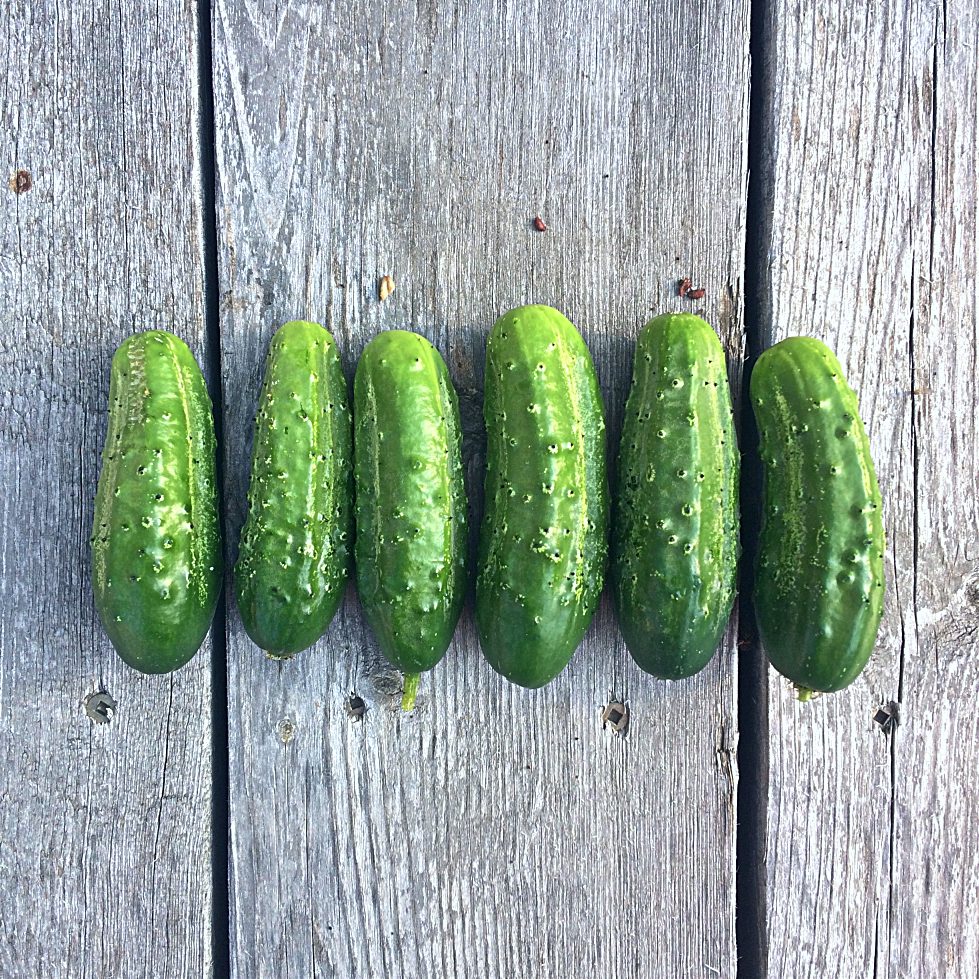
If you have a lot of space, you can give them a try. For me, they make this list because they need a decent amount of water and need to be picked every three days once they start producing.
Plants of the Brassica family
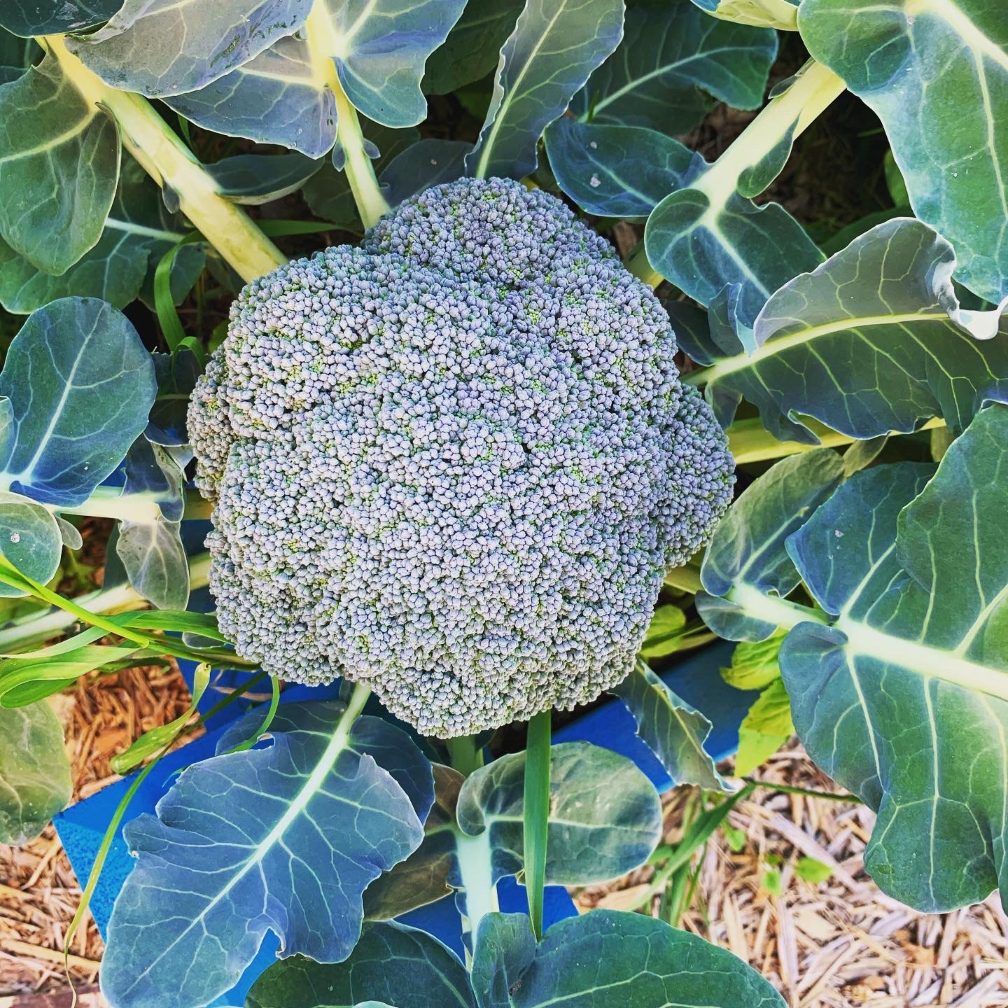
Kale, broccoli, cauliflower, and Brussels sprouts are all especially prone to pests, especially if you live in a farming area like Saskatchewan. If you want to learn how to grow bug-free broccoli, check out these 6 organic ways to keep bugs out of broccoli.
Looking to grow a specific kind of garden? Check out these posts to get started:
- How to Start a Cut Flower Garden
- How To Start A Square Foot Garden
- How to Start an Indoor Herb Garden from Seeds
5. Which plants grow well together?
It’s important to know that some plants don’t grow well beside other plants.
In a small first garden, you probably don’t have to worry too much about this, but it is good to know about once you start expanding. I would worry most about how tall each plant grows when deciding which plants to put next to each other. For example, corn and peppers should not go next to each other because the peppers won’t get enough light.
6. Should you rotate your plants?
If you have a larger garden, you’ll also want to keep a map of what you planted so you can rotate your crops. It prevents disease and keeps your soil healthy.
For your average home gardener, though, you probably don’t need to worry about plant rotation. It’s not a bad thing to switch up locations, but it is a more traditional practice if you’re gardening on an agricultural scale, and I’m guessing 99% of you are not. You can add soil amendments and compost regularly, so it’s not as big of an issue.
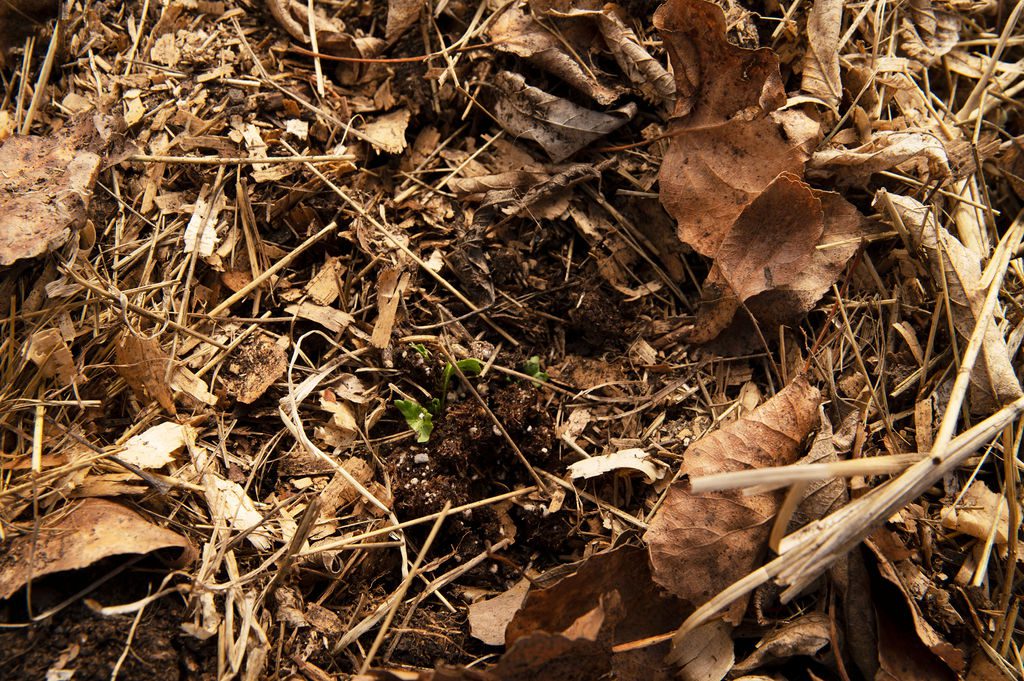
No matter what your soil conditions are, it’s a great idea to save your leaves and add them to the garden.
In the fall, you can create your own compost and use what you can (and if you have to supplement from other places, that’s fine too). Bagged manure or manure you save from your own animals is good, as well. With most animals, it’s wise to let the manure sit for a full year before use; otherwise, it can be too hot and burn your plants (or, in the case of chicken manure, it can change the taste of your veggies, especially tomatoes!). I am never that patient, and my soil situation is so dire that I wait only about six months before using manure on the acreage. Plus, the manure is spread out a bit, as I throw all the chicken bedding on my beds, so there are wood chips and straw in addition to the poop.
If you can do those three things, your garden will be well on its way to having nutrients!
7. How do you keep weeds at bay?
Mulch is a gardener’s best friend. As it breaks down, mulch adds nutrients to the soil, and while it’s on the surface, it keeps most weeds from coming through. Note that I said most, not all. While much won’t stop every weed and blade of quack grass from rearing its ugly head, it will help with most of them. And the weeds that do poke up will pull out of the soil quite easily.
Mulch also helps with water retention. I do recommend that, before you add mulch, the soil is wet (my favourite time to do this is after the rain) so that the soil underneath retains moisture better.
8. What’s the best way to water your garden?
When you’re setting up your garden, think about how you’ll water it if it doesn’t rain regularly. Whether that’s a water collection system or you’re just using water from a well or your city, take a few minutes to think about where it will come from and how it will be distributed.
Hand watering is great, but it can get old really fast if you have a big garden. And, while irrigation systems are always the dream, I’m personally fine with a few heavy-duty sprinklers. In the end, choose what’s best for your budget and the amount of energy you have to put into caring for your garden plot!
That’s it! So get out there and get planting! Questions or advice? I’d love to hear from you in the comments.
If you liked this blog post, follow me on Facebook, TikTok, and Instagram for more cold-climate gardening tips, delicious recipes, and cut flower goodness! I also make weekly videos over on my YouTube channel. I hope to see you there!
NEED MORE HELP IN THE GARDEN?
Green thumbs aren’t just given out at birth. They’re a combination of learning about gardening and trial and error. If you wish you knew more about gardening and had more confidence in your abilities, you need the Growing Roots Beginner Gardening Guide.


Leah Weber
Jobie Medina
Kristen Raney
Lauren
Kristen Raney
Andrea Bates
Kristen Raney
Kristyn Laird
Kristen Raney
Naomi Suchan
Hilda Nikal
Nicole
Kristen Raney
Karen
Joanie