
The vegetables have been picked, the temperatures are cooling, and fall has arrived. You know you should clean up your garden for the year, but let’s be real–you’re feeling the time crunch with back to school, a busy work life, or just plain being sick of your garden.
While a proper garden clean-up is ideal, I’m going to give you my guide on what you must do — and what you can skip —so that your garden is dealt with in record time.

Fifteen Minutes a Day of Garden Clean-Up is Better than a Punishing Weekend Marathon
I’m going to talk about the elephant in the room. The reason why you’re likely putting off preparing your garden for winter is that you think it’s going to take you FOREVER. You don’t have a spare five hours to devote to the garden, so why even bother? Additionally, all the rewards that come with maintaining your garden (i.e., beautiful flowers and delicious vegetables) have already passed, so there’s little motivation to continue.
I challenge you to pick one chore a day (or three each week, whichever is manageable) and complete that one task. You’ll build positive momentum, and your garden will be winterized before you know it!

Related: 10 Fall Garden Chores to Do Now For an Easier Spring
What to do First when Cleaning your Garden in the Fall
1. Pick Any Remaining Vegetables
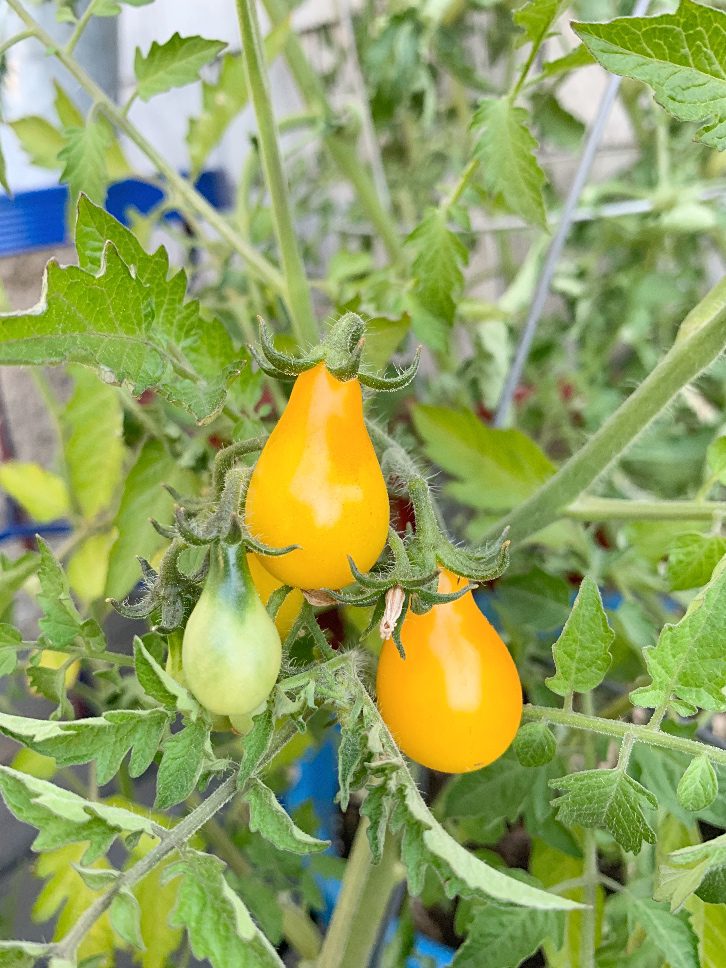
You’d be surprised how often vegetables go unnoticed or left behind and manage to avoid light frosts. One year, as I was taking one last photo shoot in my garden, my friend and I noticed eight cucumbers on my cucumber trellis that had managed to survive. There were also several yellow pear tomatoes that were perfect for eating!
You never know what you’ve left behind unless you check.
2. Add as Much as You Can to the Compost
This is your last chance to meaningfully fill your compost bin, so load it up with any unwanted vegetables, vines, greenery, leaves, or other organic matter you have.
The one exception? Anything that is diseased. Put those plants in the garbage or burn them.
If you want to continue composting through winter, check out this blog post!
3. Remove Plants and Dirt from Pots
Take out all your tired flowers and dying vegetable stalks, and add the remaining dirt to your main garden. If you garden exclusively with pots, leave the dirt in over the winter, and you can mix it up with nutrient-rich compost and manure in the spring.
Do not compost any diseased plant material. The disease will not be killed in a home compost, making next year’s garden more difficult when the disease comes back with a vengeance!
If you have a little more time, give your pots a quick wash with a hose or hot soapy water!

4. Remove Any Tender Bulbs and Store for the Winter
Depending on your zone, the definition of tender bulbs will vary. In my Zone 3b garden, we have to remove dahlias, calla lilies, and glads. If you skip this step, your bulbs will rot in the ground, and you will not have those flowers next year.
To store tender bulbs, lightly remove most of the dirt and store them in a cool, dry, and dark place. Check every month or so and remove any that have moulded or gone soft.
If you have a little more time, plant spring bulbs like tulips and daffodils. Divide and transplant any overgrown perennials.

5. Weed Your Garden One Last Time Before Winter
Don’t let the weeds get the best of you. Remove any weeds before they go to seed, making your garden easier to manage next year. The same goes for any overgrown perennials that you want to rein in.
P.S. I get a lot of flak for my hatred of perennials that take over a garden bed. However, you must understand that we purchased a house with a yard that was so overgrown that, for two consecutive years, I had to remove over 200 ferns each year. I also spent at least three years removing purple bellflower and lily of the valley, and barely made a dent in my flower beds. They just kept coming back! While those flowers are lovely, I would rather grow so many other varieties in that space.
If you have a little more time, go one step further and add some compost and manure to the freshly weeded soil, so you’re ready to go for next year.

6. Rake the Leaves and Mow the Lawn
You don’t have to rake the leaves, but if you do, make sure to put them in the compost or on your garden beds—don’t just bag them! The leaves can insulate perennials, provide compost, and even protect root vegetables. Plus, leaving them in the right spots helps pollinators keep their homes intact. Raking the leaves is a task that can be easily outsourced to high school students or youth groups at a relatively low cost.
Mow the lawn (if you have it) so that your lawn doesn’t look terrible come spring.
If you have a little more time, add grass seed to bare spots.

7. Insulate Tender Shrubs
I live in a climate where people generally do not wrap any of their shrubs to winterize them. However, if you have tender plants, such as rose varieties that aren’t hardy in Zone 3, be sure to insulate them with straw and leaves. If you’re in a deer-prone area, consider surrounding your fruit trees with chicken wire or fencing to protect them.
Bonus tip for frost-proof gardeners
If you want to be ready to jump into your beds as soon as the snow melts, make sure your garden is fully prepped and winterized. The more prepared you are now, the easier spring planting will be!

Things You Can Skip When Cleaning Up in the Fall
1. Trimming the Dead Leaves off Perennials
It may not look as pretty, but your perennials will still return even if you don’t cut away all the dead stuff. It can easily be done in the spring. Depending on the perennial, the dead leaves and stalks can create some nice winter interest in the yard.
2. Cleaning Your Garden Tools
In an ideal world, you would clean and disinfect your garden tools. It will help them last longer and prevent the spread of disease. That said, if you’re cleaning up dahlia tubers and notice any diseased ones, those tools should definitely be cleaned—you don’t want the disease spreading! Otherwise, a quick tidy-up so your tools have a home is usually fine. At the very least, tidy up your shed and ensure your tools have a designated home, making it easy for you to find them again.

3. Pruning Fruit Trees
You should prune your fruit trees. However, this is a task that is better left to professionals if you don’t know what you’re doing. Unless you have a giant orchard, paying an arborist to prune a couple of trees in your backyard is going to be way more cost-effective than hacking away at some poor tree and ruining it unintentionally.
What happens if you leave it for a year… or five? Well, probably nothing in the first year. In later years, your fruit may have one good year with tons of fruit, then nothing the following year. The fruit that does manage to grow may also not be as large as it could be.
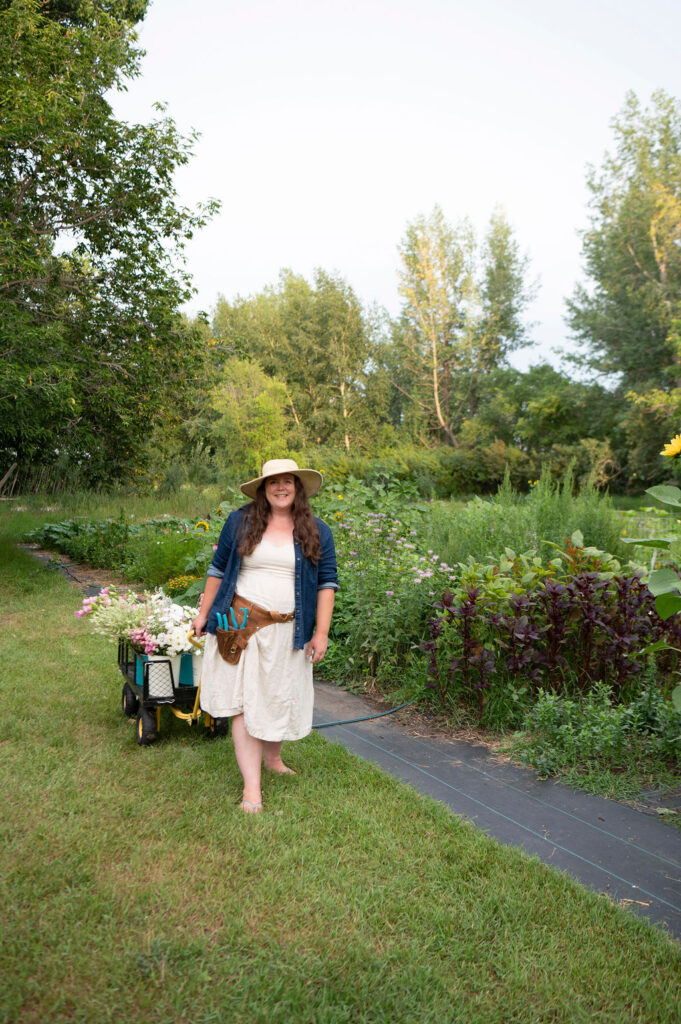
Finished all your gardening tasks? Buy yourself a pot of mums and enjoy the beautiful fall season. We won’t judge if you also buy yourself a pumpkin spice latte and cozy up with a good book.
What fall gardening chores do you do? Any that you skip?
If you liked this blog post, find me on Facebook, TikTok, and Instagram for more cold-climate vegetable gardening tips, delicious recipes, and cut flower goodness! I also make weekly videos over on my YouTube channel. I hope to see you there!
NEED MORE HELP IN THE GARDEN?
Green thumbs aren’t just given out at birth. They’re a combination of learning about gardening and trial and error. If you wish you knew more about gardening and had more confidence in your abilities, you need The Growing Roots Gardening Guide, everything you need to go from complete garden newb to confident gardener in one growing season.
Get all the details of what’s inside here!



stephanie
airbnb cleaning sydney
Mia
Kristen Raney
Christina
Kristen Raney
Tracy W
lucious