
Sweet peas are a beloved flower for their heavenly scent and delicate petals. Even though my grandma never grew them, it seems like everyone else’s grandma did. And, for that reason, they are a nostalgic, sentimental favourite.
That said, they can be a bit tricky to grow from seed, especially if you’re in a short growing season and a cold climate like I am in Zone 3, Saskatchewan.
Have you ever tried seed starting sweet peas, only to have them bloom in August… far later than when you thought they should be blooming in June?! In this blog post, I’ll break down the secrets of what you can do to be in on that early sweet pea flush.

The Two Secrets for Getting Early Sweet Pea Blooms
1. Direct Sow As Soon As The Snow Melts
Direct sowing when the snow melts will give the best and easiest results. I direct-sow my sweet pea seeds in mid-April, as soon as the snow melts in the area where I want to plant them. You might feel a bit ridiculous plunking seeds in the ground when there is still snow in other parts of your garden, but fear not! This is exactly what you need to do.
The only thing to worry about is watering those seeds when the soil dries out! I find that in the spring, when I don’t have many plants outside, I am prone to forgetting to water because watering feels like a summer task, not an April one. So, put a reminder on your phone, write it on a sticky note and stick it on your bathroom mirror—do whatever you need to keep those seeds watered!

Related: How to Grow Sweet Peas in a Cold Climate
2. Seed Start Indoors
I find I have much less success with this method, but it can still work (obviously, or else I wouldn’t suggest it)!
You can start your sweet peas indoors anytime between mid-February and mid-March. Inevitably, your seedlings will start to grow too tall and unwieldy, so you can cut your sweet peas back to the nodes (as shown in the video below) to keep them tidy. You can either compost those clippings or put them in soil to get more sweet peas!
I like to do this with the really fancy varieties that are harder to get my hands on, so I can build up my sweet pea collection without having to buy more seeds. (Cough, cough… looking at you, King’s Ransom!)

Historically, I have put my sweet pea starts out at the same time as I’ve put out the direct-sown sweet pea seeds. And, even though sweet peas can survive down to -5°C/23°F and do better when they do, it feels like a bit of a mistake, or at least in my yard, it feels like too many starts die when I do this.
I would recommend holding off for two more weeks after that April melt before transplanting your sweet pea seedlings into your garden. I will be trying this this year to see if it helps the success rate. And, of course, don’t forget to harden off any starts you put out, even if it’s later in the season!

Related: Do This One Thing to Prevent Your Plants from Dying This Spring
And that’s it! Easier than you thought? Let me know your sweet pea growing tips in the comments!
If you liked this blog post, find me on Facebook, TikTok, and Instagram for more cold-climate vegetable gardening tips, delicious recipes, and cut flower goodness! I also make weekly videos over on my YouTube channel. I hope to see you there!
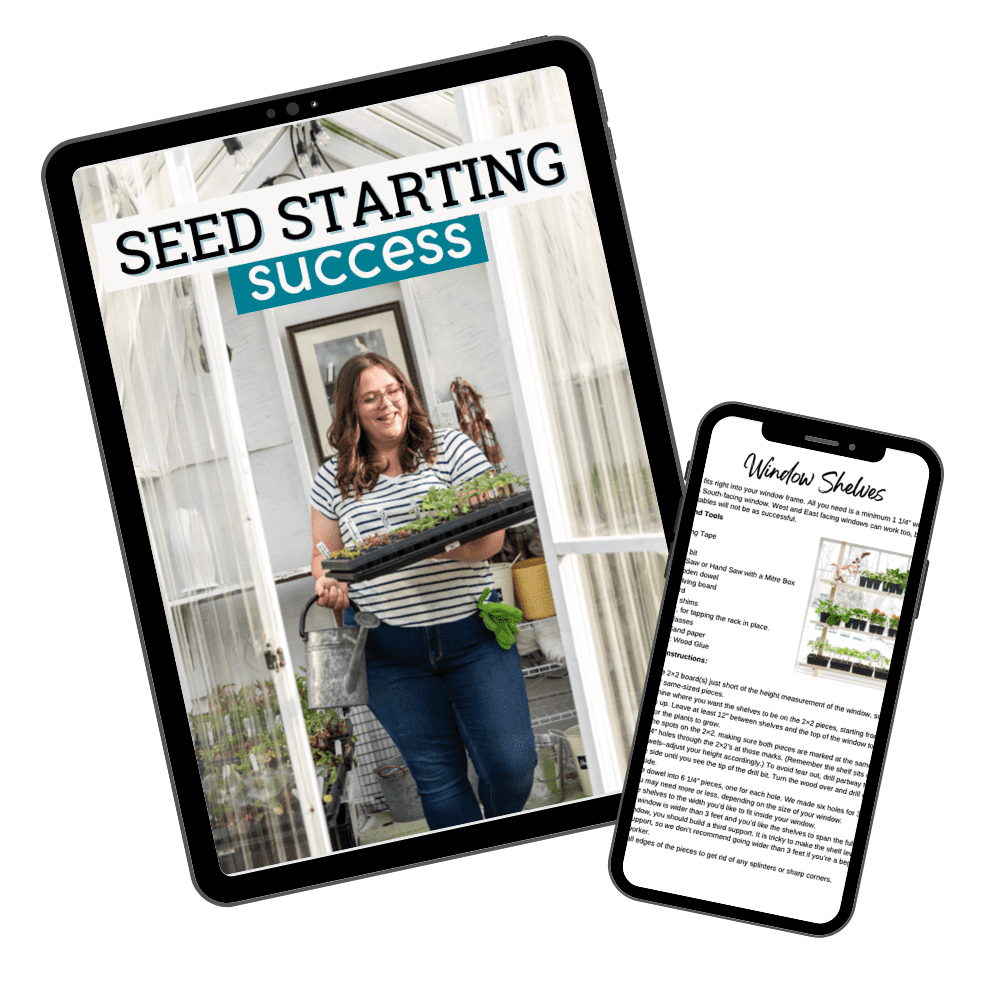
HAVE YOU TRIED SEED STARTING, ONLY TO BE LEFT WITH STRETCHED-OUT SEEDLINGS AND DEAD PLANTS?
You’re not a bad gardener–you just need a little know-how. For the price of a few seed packets, you can stop wasting time and money and start growing seedlings that actually live, and you get to harvest. Don’t miss out on another growing season. Get your copy of Seed Starting Success now (videos included)!

Sita Dubeau