
Every mom who likes to garden dreams of getting their children into gardening. Wouldn’t it be nice to have your mini-me help you plant and tend the garden, and even pick the odd weed or two?
Unfortunately, trying to garden with children often turns into a power struggle, or it’s impossible to keep them interested and entertained. Or, if you’re me, your toddler ends up rolling around in the dirt more than anything else. Super cute, but not what I imagined.
So how do you teach gardening basics to kids, without losing your mind?
I’ve asked experienced gardening moms and members of the Warman Collective Garden to share their secrets.
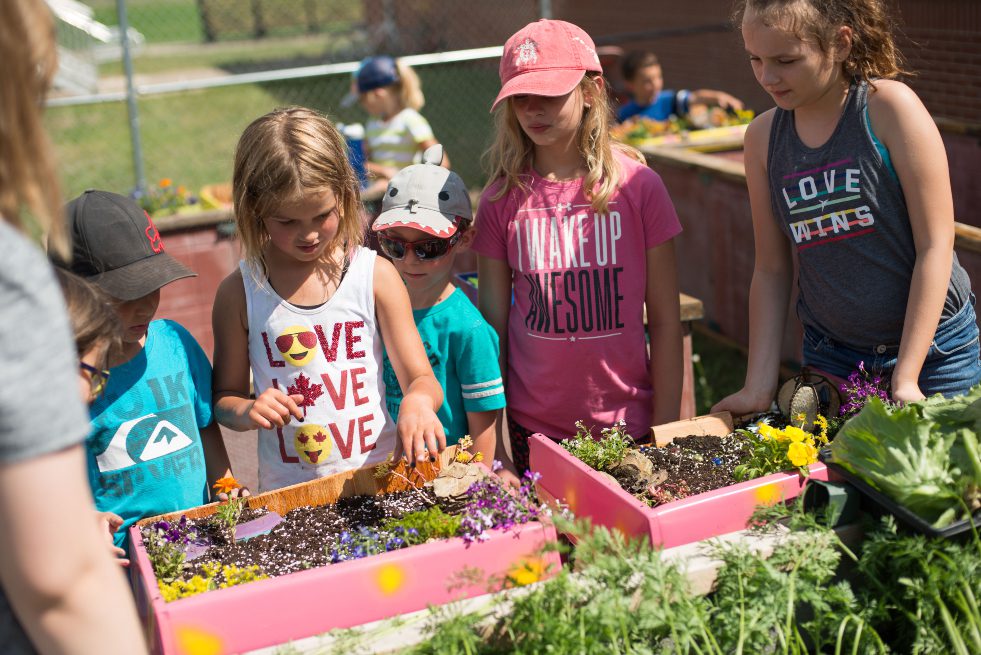
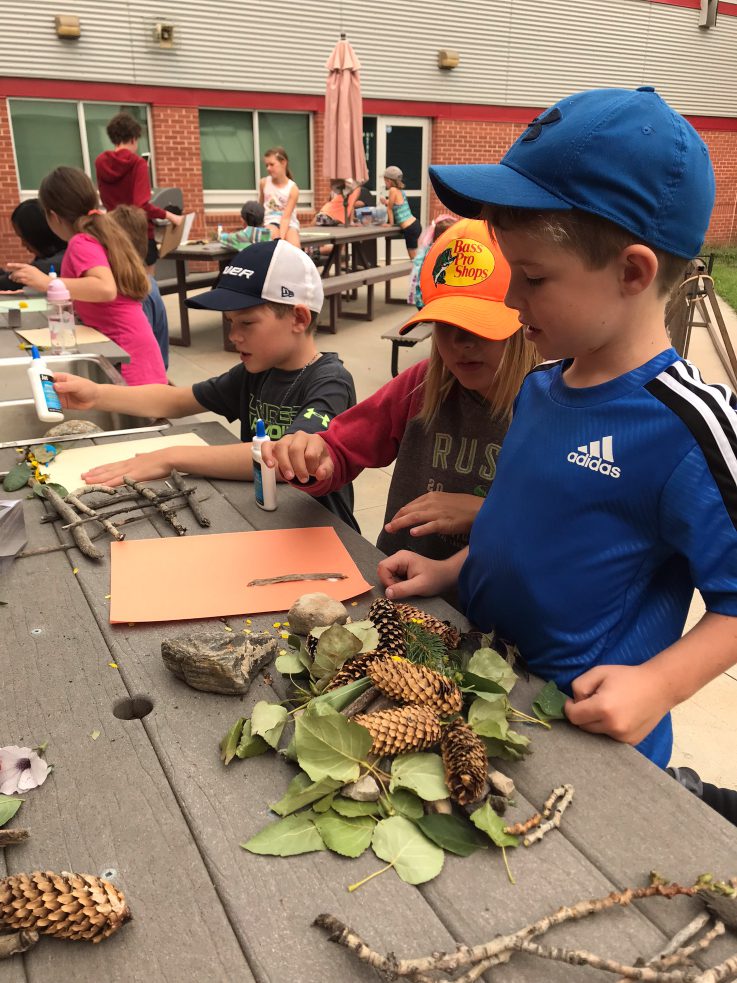
All photos are courtesy of Kids in the Garden Camp, run by Warman Collective Garden.
Make Gardening Real for Children
We know where vegetables in the grocery store come from, but do our kids? Gardening is a great way to teach children about where our food comes from and how, just a few decades ago, many families relied heavily on their garden as a main source of food.
Erin says, “Kids love to see the plants that they put in the garden get big. I encourage smelling flowers and tasting herbs. I also get excited when I see a bee or butterfly gathering nectar and pollen.”
“I like to point out vegetables and fruit in the grocery store and ask if they know what sort of plant they grow on, and if they’ve seen them in the garden before.”
Encourage Their Growing Love of Gardening with Books & Craft Projects
I’ve compiled this list of gardening books for babies, toddlers, school-age children, and the teachers (and homeschooling mamas!) who teach them. There’s a range of books. Some are more garden-project-intensive, others are full of fun craft projects, and others are geared for younger children to teach them what a garden is and help them understand why it takes so long for food to grow!!
Give Kids the Fun Jobs
I know that, in a perfect world, our kids would help us with all the weeding and harvesting. When you feel your child is old enough, you can give them their own garden space to plant whatever they want—and make them responsible for weeding and watering.
When your kids are younger, it’s best to involve them in the fun stuff. Most kids love to help with seeding, watering, and picking the harvest.
If you have a child who really loves to water, make them in charge of watering the family watermelon or pumpkin. Those two plants love water and can handle all the water your child gives them.
Plant Vegetables Kids Want to Eat
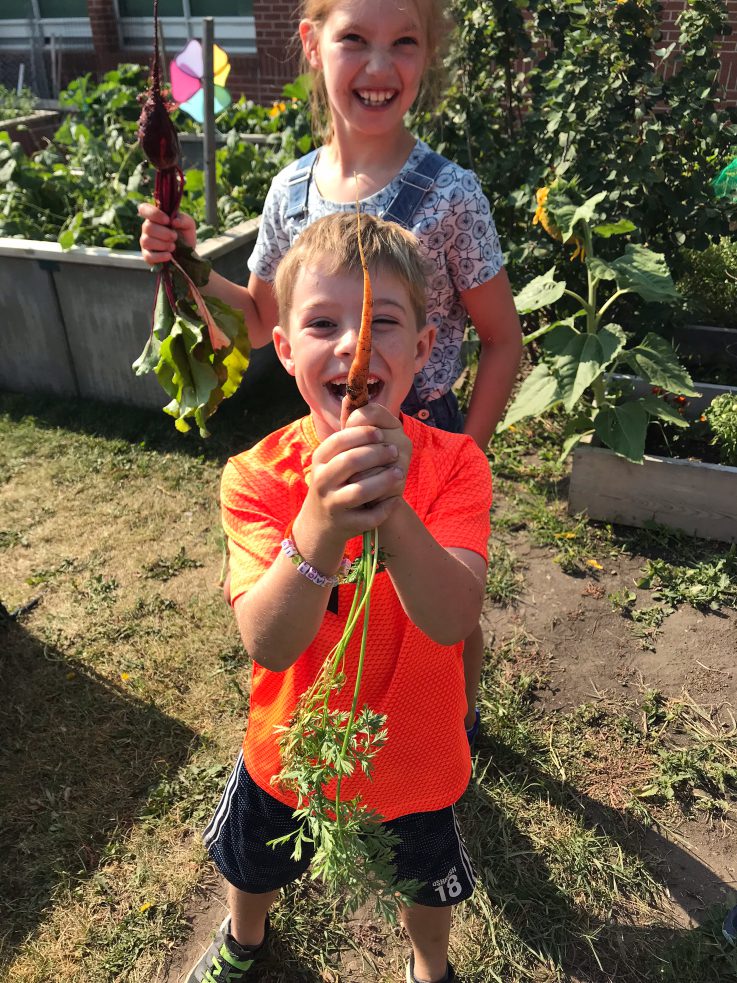
Your kid may not like vegetables, but growing their own is a great way to encourage them to start expanding their palate. For example, my good friend started planting purple beans because her daughter is obsessed with the colour purple. Now her toddler requests beans for supper instead of refusing them.
Erin of Kids in the Garden suggests rainbow carrots. “The tops are green, but the colour of the carrot is a surprise until you pick it.”
Side note: If anyone is reading this and you have a kid with autism, this advice will probably not work for you. My son is on the spectrum, and when he was younger, advice like this would not work for him in the slightest. Now that he’s older and we’ve made progress with food textures and combinations, it might. I just wanted to include this because, as a parent of a neurodivergent child, I find it really frustrating that advice for picky eaters never includes our children or even acknowledges that it probably won’t work for our children–which is especially frustrating because our children are typically the pickiest eaters you will ever meet. *gets off soapbox*
With that said, I’m going to share with you some of my favourite neurotypical-kid-friendly vegetables and flowers.
A List of My Favourite Kid-Friendly Vegetables and Flowers
- Easter Egg Radishes
- Rainbow Mix Carrots
- Flambo Beans
- Any purple or yellow variety of beans
- Snap peas
- Sunflowers
- Watermelon—perfect for toddlers who love helping with water!!
- Bachelor’s Buttons—my Mom always planted them for me.
- Baby Boo Pumpkins
- Jack Be Little Pumpkins
- Atlantic Giant Pumpkins
- Zucchini—there’s always something to harvest once it gets going!
When You Get Frustrated, Remember Why You Want Them To Garden in the First Place
Erin says, “Nurturing something even as simple as a plant grows empathy for living things. Seeing a beautiful, healthy garden is also calming for the spirit and brain. Growing your own food develops a habit of healthy eating and self-sufficiency. I have a passion for gardening and plants. Encouraging them gives them an activity for us to do together.”
Don’t give up when your kids don’t seem interested. I complained a lot about gardening when I was a kid, and I’m pretty sure I told my parents every year that I would not have a garden when I grew up. And yet here I am, obsessed with gardening and writing a gardening blog.
Enroll Your Kids in Gardening Camp
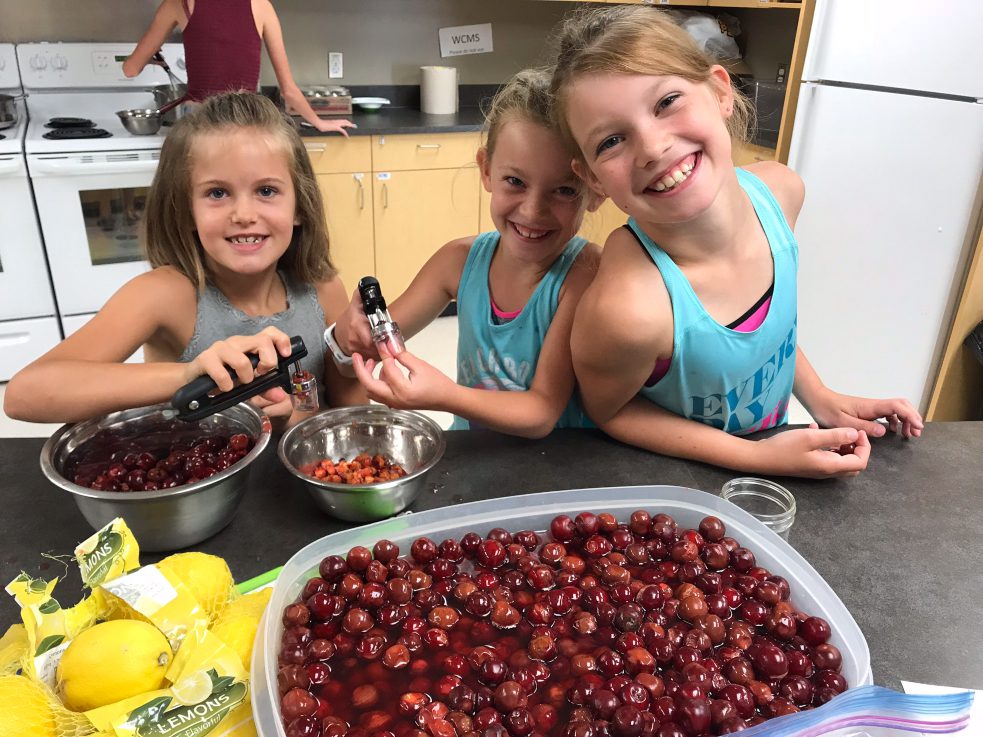
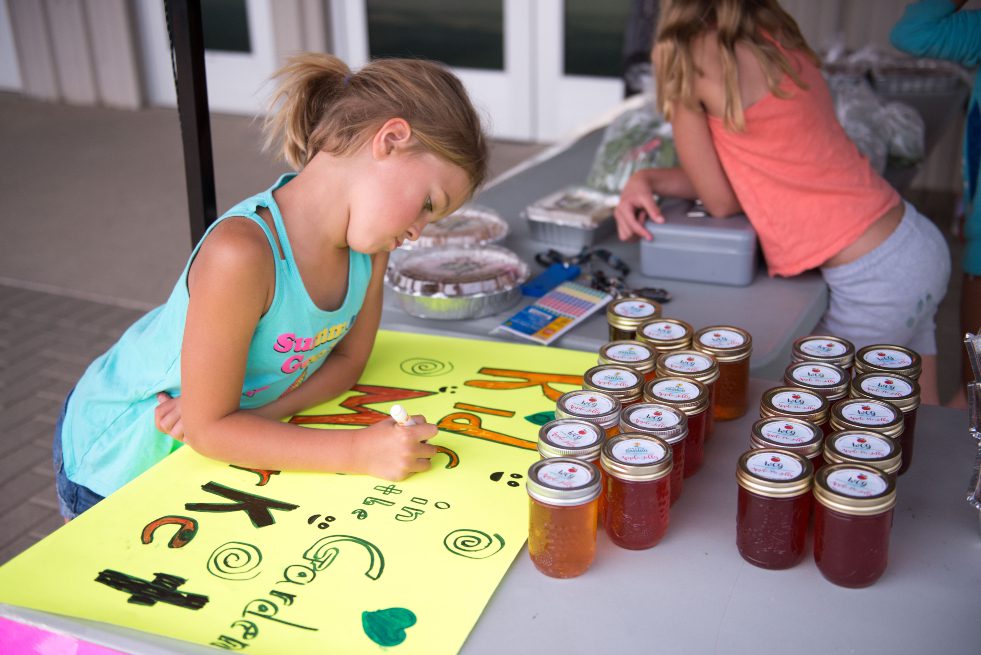
Gardening camps for kids are becoming increasingly popular. They have fun hands-on experiences like planting seeds, making jam, picking produce, and even running a market garden! If you’re local to Saskatoon, SK, the Kids in the Garden Camp is a fun day camp to send your budding gardener to.
If you’re not local, try searching for “Gardening Camp” or “Kids Gardening Program,” along with your city, state, or province. Still nothing? Pick up one of these gardening books (the ones for teachers) and consider starting your own.
If you liked this blog post, find me on Facebook, TikTok, and Instagram for more cold-climate vegetable gardening tips, delicious recipes, and cut flower goodness! I also make weekly videos over on my YouTube channel. I hope to see you there!
NEED MORE HELP IN THE GARDEN?
Green thumbs aren’t just given out at birth. They’re a combination of learning about gardening and trial and error. If you wish you knew more about gardening and had more confidence in your abilities, you need The Growing Roots Gardening Guide. Everything you need to go from complete garden newbie to confident gardener in one growing season.


Join the conversation