
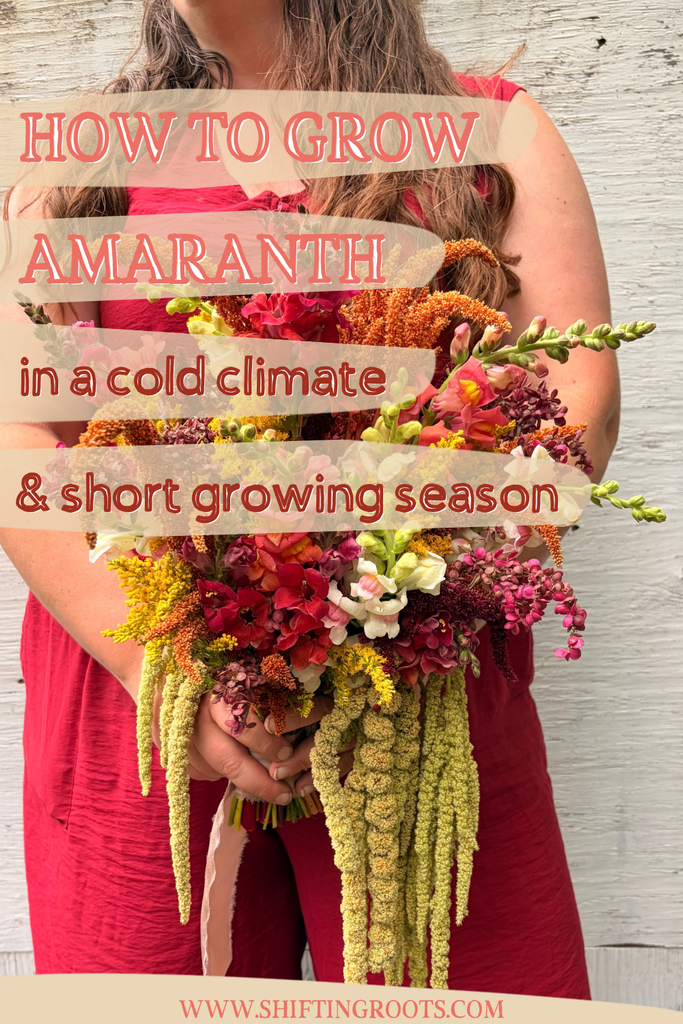
Amaranth is dramatic, unusual, and striking in both fresh and dry flower arrangements. For most gardeners, it’s easy to grow (some even say it grows like a weed)! While that hasn’t unfortunately been my experience in my Zone 3 garden, it earns its spot on my flower farm every single year.
Whether you’re a beginner gardener, a backyard grower, or an established flower farmer, amaranth is reliable in short growing seasons, easy to direct-sow, and adds incredible texture to bouquets. Here are my top tips for growing this special flower in a short growing season!
Best Amaranth Varieties
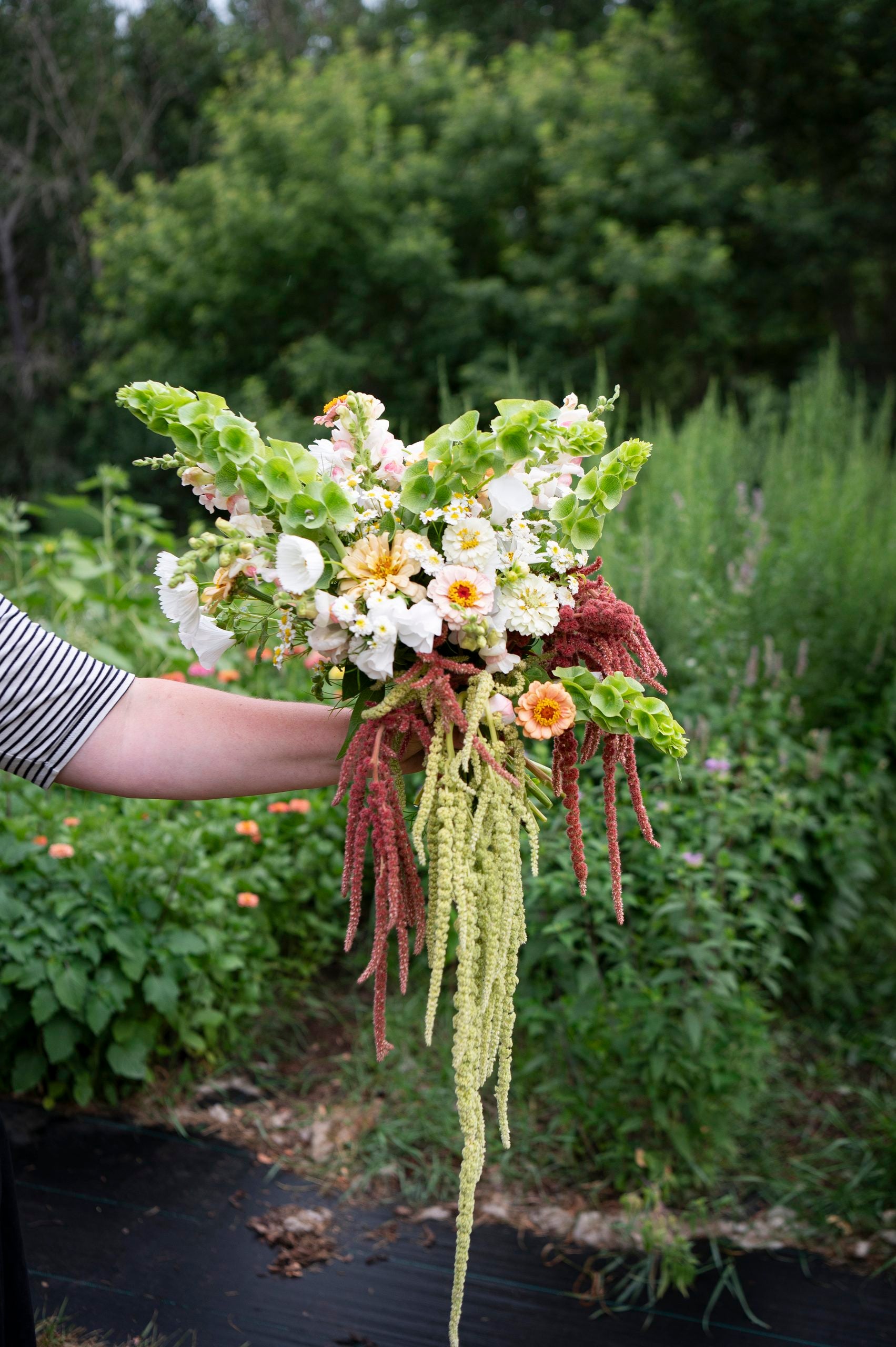
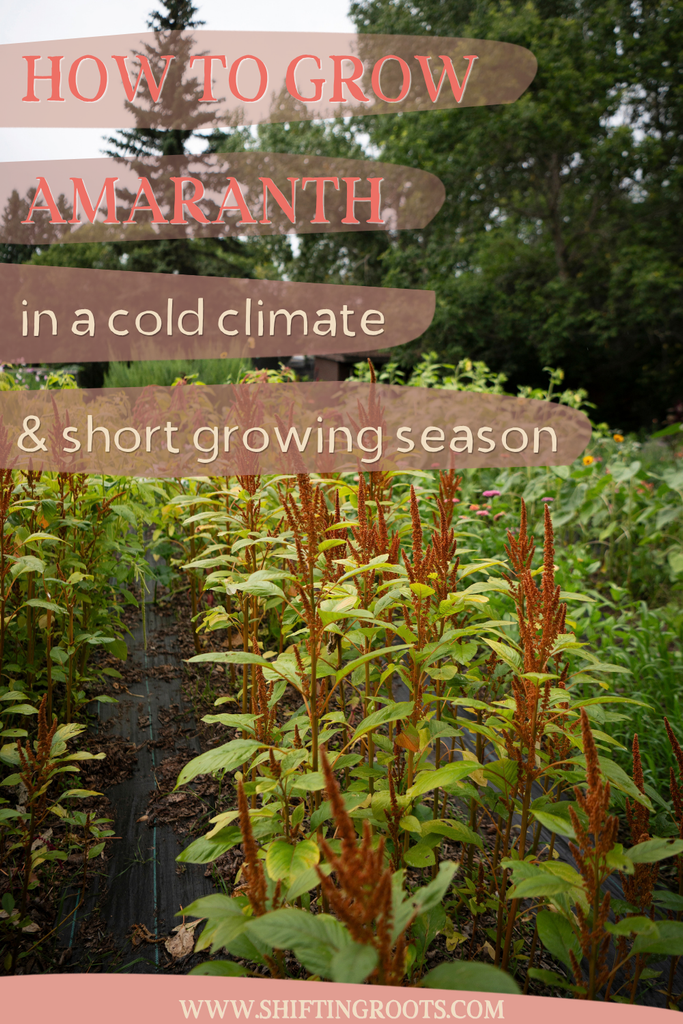
Amaranth comes in both upright spike and dramatic drooping varieties, and both are equally unique and beautiful.
I find amaranth is a total conversation starter, whether harvested for bouquets or simply left growing in the garden. You can also dry amaranth for winter arrangements, though if I dry it, it’s usually to save seeds for next year.
Some of my favourite varieties for my Zone 3 cutting garden include:
- Love Lies Bleeding
- Hot Biscuits
- Burgundy Spike
- Green Tails
- Coral Fountain
If I’m honest, I haven’t really come across a variety of amaranth that I don’t like… They are all my favourites!

How to Grow Amaranth
Direct-sow amaranth in a spot that gets full sun—no indoor seed-starting required! Amaranth is relatively low-maintenance, as long as you keep it consistently watered.
Pinch off the top couple of leaves when the plant is young to encourage branching and bushier growth, or let the main central stalk grow, then cut it when it reaches a usable size. The plant will respond by producing smaller, highly usable stems!
Amaranth handles heavy cutting exceptionally well and is a true cut-and-come-again flower, meaning the more stems you harvest, the more side shoots it produces! That said, it definitely slows down in early fall as temperatures drop. It will still come back, just not as fast.
How to Save Amaranth Seeds & Encourage Reseeding
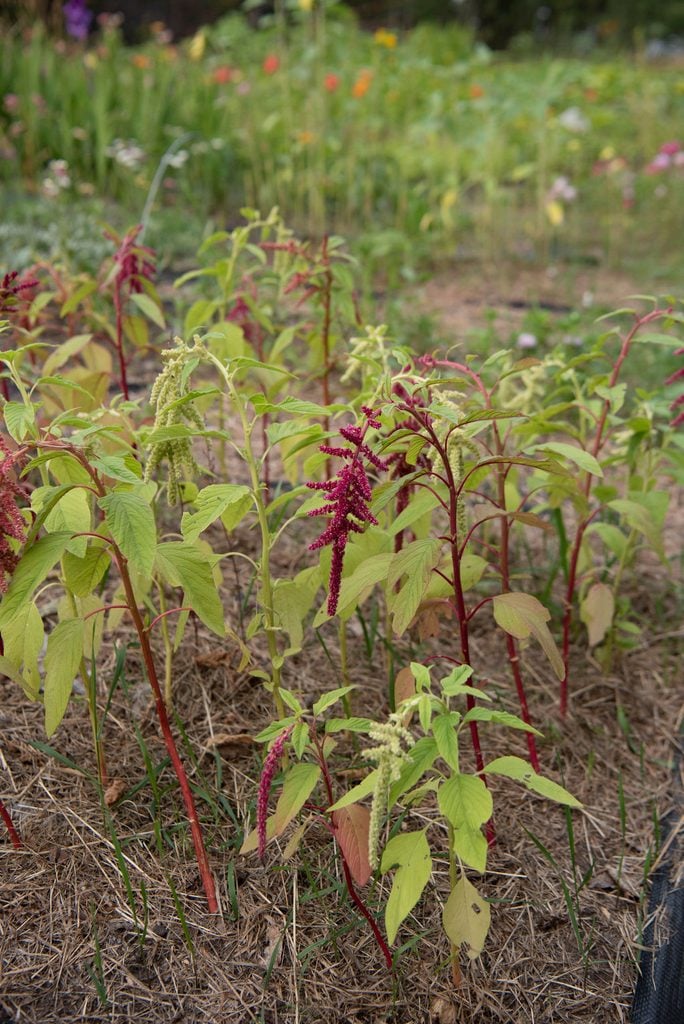
Amaranth is low-maintenance and will happily self-seed year after year, but beware: in spots where amaranth really loves the soil, it will self-seed so readily you might think it’s a weed!
That said, it does not self-seed as aggressively in the sandy soil of my Zone 3 flower garden. If it doesn’t naturally return for you, try my fall stomping technique:
- Cut a couple of mature stems in the fall.
- Lay them down on the ground in the row where you want them to grow next year.
- Stomp all over them, let the winter snow cover them, and don’t think about them again until spring!
A Note on Transplanting Volunteer Seedlings
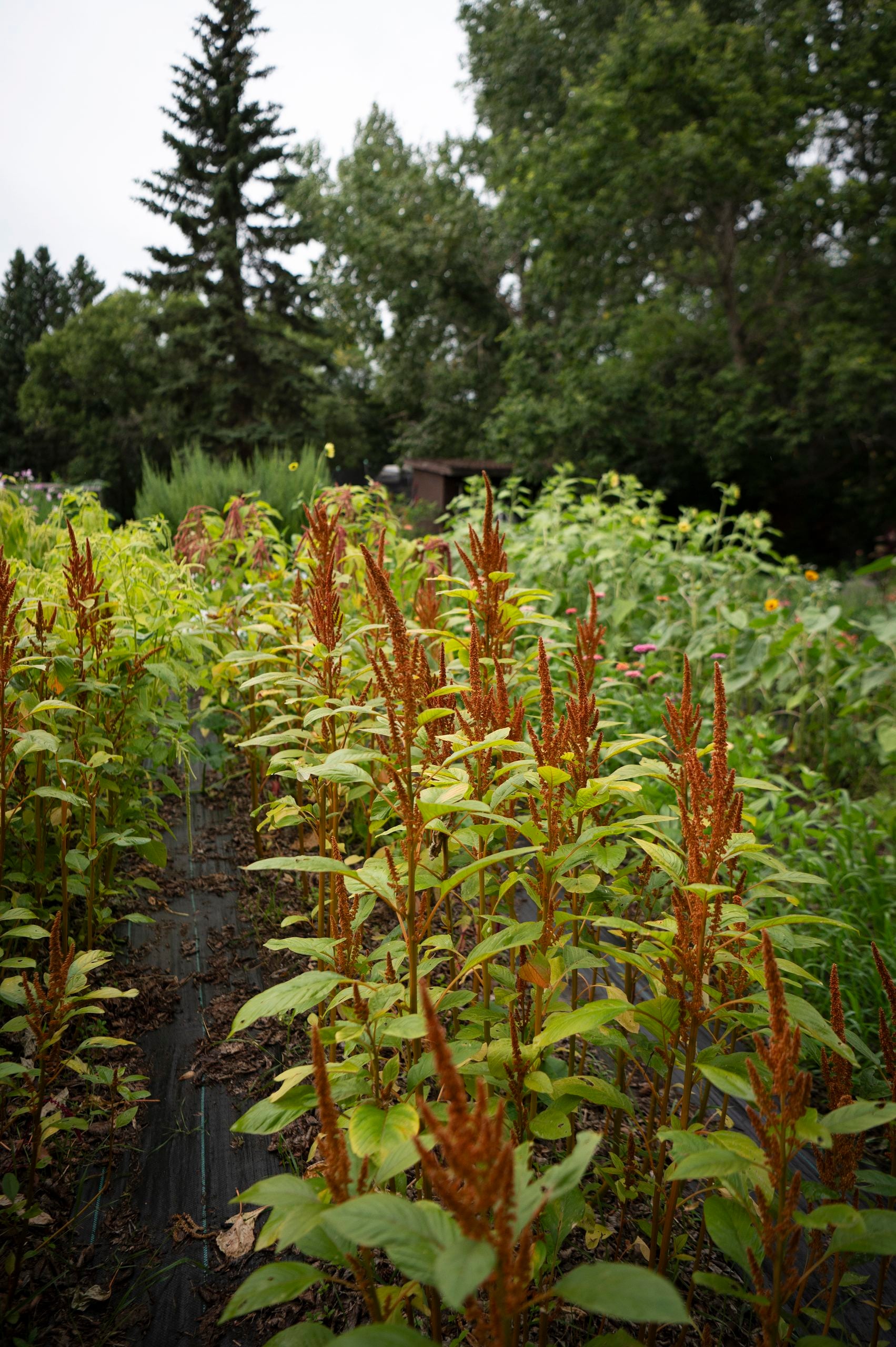
If this stomping technique sends up too many seedlings in the spring, you can always move them to another location once they’re a bit more established. Just make sure to move them in the rain to keep them actively moist! Amaranth root systems don’t like being disturbed, and if you move them without rain, the stems will wilt or dry up almost immediately.

Have more questions about growing amaranth in a cold climate? Let me know in the comments, and I’ll add the answers to this blog post!
If you liked this blog post, find me on Facebook, TikTok, and Instagram for more cold-climate vegetable gardening tips, delicious recipes, and cut flower goodness! I also make weekly videos over on my YouTube channel. I hope to see you there!
READY TO GROW YOUR OWN BEAUTIFUL CUT FLOWER GARDEN WITHOUT THE HASSLE?
I’ve taken all the guesswork out of creating a cut flower garden with my e-book, Cut Flowers Made Simple. It’s the perfect way for beginner and intermediate gardeners to start their own cut flower garden with or without seed starting.
Finally, you can create a stunning cut flower garden with everything you need to make beautiful bouquets all summer long.

Join the conversation